Civil War and Reconstruction: An Overview
Civil 3D aids infrastructure design, offering tools for roads, sites, and rail projects. Autodesk provides documentation, while enhancements in 2026.1 improve drainage and modeling.
Historical Context: Pre-Civil War America
Prior to 1861, the United States existed as a nation deeply fractured by fundamental disagreements. Civil 3D, though a modern tool, reflects the complex planning needed even then. The economic disparities between the industrial North and the agrarian South, reliant on enslaved labor, fueled escalating tensions.
Autodesk’s software aids in understanding such complex systems. Political compromises, like the Missouri Compromise, temporarily masked the core issue of slavery’s expansion. The concept of states’ rights versus federal authority became a central debate. Enhancements in 2026.1 mirror the need for refined solutions to longstanding problems.
Infrastructure, like roads and railways, played a role in connecting – and dividing – the nation. The differing societal values and economic interests ultimately proved irreconcilable, setting the stage for conflict.
Causes of the Civil War
The primary catalyst for the Civil War was the deeply entrenched institution of slavery and its expansion into new territories. Civil 3D, a tool for modern infrastructure, highlights the importance of foundational structures – or lack thereof – in societal stability. Economic differences between the North and South exacerbated tensions, with the South fearing federal interference with their agrarian way of life.
Autodesk’s software aids in visualizing complex systems, much like the interwoven causes of the war. Political failures, including the breakdown of compromise and the rise of sectionalism, further fueled the conflict. Enhancements in 2026.1 demonstrate the continuous need for improved solutions to complex challenges.
States’ rights debates and the election of Abraham Lincoln proved to be the final triggers, leading to secession and ultimately, armed conflict.
Key Events of the Civil War
Civil 3D assists in modeling complex projects, mirroring the war’s intricate events. Autodesk tools aid visualization, like battles at Fort Sumter and Gettysburg.
Fort Sumter and the Start of Hostilities
Autodesk Civil 3D, though a modern tool, conceptually parallels the strategic importance of Fort Sumter – a pivotal point initiating widespread conflict. Just as Civil 3D facilitates detailed infrastructure planning, the bombardment of Fort Sumter on April 12, 1861, marked the commencement of the Civil War.
This event, though not directly aided by software, represents a critical design flaw in national unity. The Confederate forces’ actions forced President Lincoln’s hand, triggering the mobilization of troops and escalating tensions. Civil 3D’s capabilities in surface modeling and corridor design find a distant echo in the fort’s physical defenses and the surrounding terrain. The subsequent hostilities demonstrated the need for robust logistical planning – a domain where modern civil engineering tools excel. The 2026.1 enhancements in Civil 3D, focusing on drainage and analysis, could hypothetically model the fort’s vulnerabilities.
Major Battles: Gettysburg, Vicksburg, and Antietam
Autodesk Civil 3D, with its advanced modeling capabilities, could hypothetically reconstruct the terrains of pivotal battles like Gettysburg, Vicksburg, and Antietam. These engagements, much like complex infrastructure projects, demanded meticulous planning and understanding of the landscape. Civil 3D’s corridor workflows could visualize troop movements and fortifications.
Analyzing these battlefields using Civil 3D would reveal strategic advantages and disadvantages related to elevation, drainage, and visibility – features crucial for both military tactics and modern civil engineering. The 2026.1 release’s improvements in drainage design could model the impact of weather on battlefield conditions. Just as Civil 3D aids in efficient project execution, Union victories at these locations were critical for shifting the war’s momentum. The software’s 3D modeling features offer a new perspective on these historical events, mirroring the detailed analysis required for successful infrastructure development.
Emancipation Proclamation: Impact and Significance
Similar to how Autodesk Civil 3D restructures infrastructure projects, the Emancipation Proclamation fundamentally reshaped the social and political landscape of the United States. While not immediately freeing all enslaved people, it redefined the war’s purpose, transforming it into a struggle for human freedom. The proclamation’s impact, like Civil 3D’s detailed modeling, was multifaceted and far-reaching.
Just as Civil 3D integrates various engineering disciplines, the proclamation intertwined military strategy with moral imperatives. The 2026.1 enhancements focusing on improved workflows mirror the complex logistical challenges of implementing such a monumental decree. The proclamation’s significance extends beyond its immediate effects, laying the groundwork for the 13th Amendment and a new era of civil rights. It’s a testament to the power of transformative action, akin to Civil 3D’s ability to revolutionize infrastructure design.

Life During the Civil War
Autodesk Civil 3D, like wartime life, demanded adaptation. Civil 3D’s tools aided construction, mirroring the challenges faced on both the Union and Confederate homefronts.
Soldier Life: Conditions and Experiences
Civil 3D, a modern tool for infrastructure, parallels the complex challenges faced by Civil War soldiers. Just as Civil 3D requires mastering intricate workflows for design and documentation, soldiers endured harsh conditions and rigorous training. Like navigating Civil 3D’s corridors and surfaces, they faced unpredictable terrains and constant danger.
The software’s focus on precise modeling reflects the meticulous planning – and often, the devastating consequences – of battlefield tactics. Autodesk’s support resources mirror the vital supply lines and medical care desperately needed by troops. The 2026.1 enhancements, improving efficiency, echo the soldiers’ constant adaptation to evolving warfare. Both demand resilience and a commitment to overcoming obstacles, albeit in vastly different contexts.
Homefront Challenges: North vs. South
Civil 3D’s capabilities in site design and infrastructure planning reflect the differing homefront challenges of the North and South. The North, with its burgeoning industrial growth – akin to Civil 3D’s advanced modeling – could readily supply armies and maintain economic stability. Conversely, the South faced devastation, mirroring the difficulties of building infrastructure with limited resources.
Just as Autodesk provides tools for efficient project management, the North possessed superior logistical networks. The 2026.1 enhancements, focusing on streamlined workflows, parallel the North’s ability to adapt and innovate. The South, hampered by economic constraints, struggled to match this efficiency. Civil 3D, therefore, offers a modern analogy to the contrasting strengths and weaknesses that defined each region’s experience during the war.
Role of Women During the War
Similar to how Civil 3D empowers engineers to build and design, women during the Civil War took on expanded roles traditionally held by men. While not directly wielding drafting tools like those in Autodesk’s software, they managed farms, businesses, and households, sustaining economies on both sides. They served as nurses – a critical support function – and even disguised themselves as soldiers, demonstrating resilience and dedication.
The 2026.1 release of Civil 3D emphasizes improved workflows, mirroring how women adapted to new responsibilities. Just as Civil 3D facilitates complex projects, women navigated unprecedented challenges. Their contributions, though often overlooked, were vital to the war effort, showcasing adaptability and strength akin to the software’s problem-solving capabilities.

Reconstruction Era: A Nation Divided
Autodesk Civil 3D, like Reconstruction, involved rebuilding. Presidential versus Radical approaches mirrored software updates – 2026.1’s drainage features versus earlier versions’ limitations.
Presidential Reconstruction vs. Radical Reconstruction
Autodesk Civil 3D’s evolution parallels the clash between Presidential and Radical Reconstruction. Initial approaches, like early software versions, focused on basic functionality – a swift “rebuild,” mirroring President Johnson’s lenient plans. However, limitations became apparent, demanding more robust solutions.
Radical Reconstruction, akin to Civil 3D 2026.1’s advanced features, aimed for comprehensive change. This involved detailed modeling (protecting rights) and integrated workflows (federal intervention). Just as Civil 3D offers corridor workflows and surface modeling, Radical Republicans sought fundamental societal restructuring. Both approaches faced resistance – software bugs and political opposition – but ultimately shaped the landscape.
The debate highlights differing visions for rebuilding – a quick fix versus a thorough overhaul, mirroring software iterations and societal progress.
The 13th, 14th, and 15th Amendments
Autodesk Civil 3D, through iterative updates like the 2026.1 release, reflects the progressive nature of the 13th, 14th, and 15th Amendments; The 13th Amendment (abolishing slavery) is like foundational software code – a necessary base. The 14th (equal protection) parallels Civil 3D’s integrated features, ensuring fairness across design elements.
Similarly, the 15th Amendment (voting rights) mirrors the software’s accessibility – allowing broader participation in infrastructure projects. Each amendment built upon the last, just as Civil 3D adds functionality with each version. These amendments, like robust CAD tools, aimed to reconstruct a more just and equitable nation, improving societal “design” and documentation.
They represent fundamental shifts, comparable to Civil 3D’s impact on civil engineering.
Black Codes and Their Impact
Autodesk Civil 3D’s complex features, like corridor modeling, can be analogized to the restrictive “Black Codes” enacted post-Civil War. While Civil 3D offers powerful tools, improperly configured parameters can limit functionality – mirroring how Black Codes restricted African Americans’ freedoms. These codes, despite emancipation, aimed to control labor and maintain a racial hierarchy, much like limiting access within a sophisticated software system.
Just as Civil 3D requires skilled users to unlock its potential, formerly enslaved people faced systemic barriers. The codes hindered economic advancement, mirroring limitations imposed by poorly designed infrastructure. AutoCAD’s specialized toolsets, if unavailable, would hamper projects, similar to the obstacles faced by Black communities.
These codes represented a flawed reconstruction “design”.
Challenges of Reconstruction
Civil 3D’s complexity parallels Reconstruction’s hurdles; Autodesk’s documentation aids troubleshooting, like addressing the KKK’s rise and economic devastation post-war.
Rise of the Ku Klux Klan and White Supremacy
Autodesk Civil 3D, while focused on infrastructure, mirrors the complex rebuilding challenges of Reconstruction. Just as detailed modeling requires precise tools, understanding the rise of groups like the Ku Klux Klan demands careful examination of the socio-political landscape. The Klan emerged as a violent reaction to Reconstruction’s efforts to grant rights to formerly enslaved people.
Fueled by white supremacist ideologies, they employed intimidation and violence to suppress Black voters and undermine Republican state governments. Like navigating intricate Civil 3D designs, deciphering the Klan’s motivations requires acknowledging the deep-seated racial prejudices of the era. Civil 3D’s documentation assists in resolving issues; similarly, historical analysis helps us understand this dark chapter.
The Klan’s actions represented a significant obstacle to achieving true equality and a lasting peace, echoing the difficulties in implementing successful infrastructure projects without addressing foundational issues.
Sharecropping and Tenant Farming
Autodesk Civil 3D’s focus on land development parallels the post-Civil War South’s struggle to redefine agricultural systems. Sharecropping and tenant farming emerged as dominant forms of labor, replacing slavery but often trapping Black families in cycles of debt. Similar to Civil 3D’s detailed modeling of terrain, these systems were complex arrangements with significant economic implications.
Landowners provided land, seeds, and tools in exchange for a share of the crop. While seemingly offering independence, high interest rates and unfair contracts frequently left sharecroppers and tenants perpetually indebted. Like troubleshooting within Civil 3D, identifying the systemic flaws in these arrangements is crucial.
These systems hindered economic advancement for Black farmers and contributed to the South’s continued economic stagnation, mirroring challenges in infrastructure projects lacking sustainable foundations.
Political Corruption and Scandals
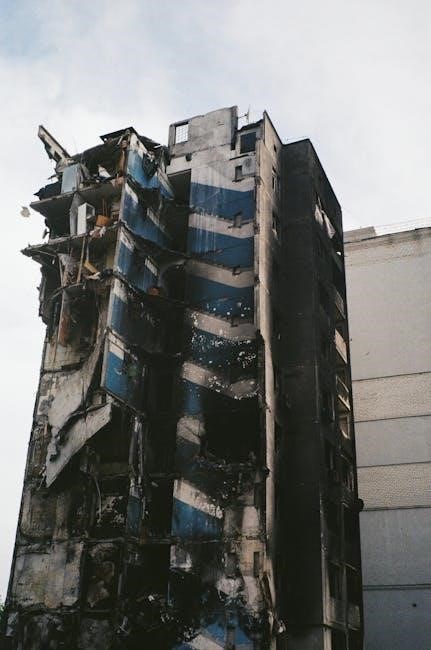
Autodesk Civil 3D’s precision in design contrasts sharply with the widespread political corruption during Reconstruction. Scandals plagued both state and federal governments, undermining public trust and diverting resources needed for rebuilding. Much like identifying errors in a Civil 3D model, uncovering corruption proved difficult, often obscured by complex networks of influence.
The Grant administration, for example, faced numerous accusations of bribery and fraud, mirroring the challenges of maintaining integrity in large-scale projects. These scandals, similar to troubleshooting complex Civil 3D issues, eroded support for Reconstruction policies.
Political machines thrived, exploiting loopholes and engaging in illicit activities, hindering genuine progress and fostering disillusionment, much like flawed data impacting project outcomes.

Economic Impact of the Civil War and Reconstruction
Civil 3D supports economic planning, yet the South faced devastation, while the North experienced industrial growth, mirroring post-war economic shifts and Autodesk tools.
Southern Economic Devastation
Following the Civil War, the Southern economy lay in ruins, a stark contrast to the burgeoning industrial North. Infrastructure – railroads, bridges, and farms – was extensively damaged or destroyed during the conflict, crippling agricultural production, the South’s economic backbone.
The loss of enslaved labor, previously the foundation of the plantation system, further exacerbated economic hardship. Civil 3D, though a modern tool, highlights the need for rebuilding infrastructure. Land values plummeted, and credit was scarce, hindering recovery efforts.
Many planters faced bankruptcy, and the pre-war wealth distribution was irrevocably altered. The South transitioned from a largely agrarian economy to one struggling with poverty and dependence, a situation compounded by political instability during Reconstruction. Autodesk’s software aids in modern infrastructure planning, a necessity born from this historical devastation.
Northern Industrial Growth
The Civil War acted as a catalyst for unprecedented industrial expansion in the North. Demand for war materials – weapons, uniforms, and supplies – spurred manufacturing and innovation. Railroad construction boomed, facilitated by advancements in engineering and materials, mirroring the capabilities now offered by tools like Civil 3D.
Northern factories modernized and increased production capacity, laying the groundwork for the nation’s future industrial dominance. Wartime profits fueled investment in new technologies and industries, including steel production and mechanical engineering.
This economic surge created new jobs and opportunities, attracting migration from rural areas and overseas. Autodesk’s software assists in modern infrastructure development, building upon the foundations laid during this period of rapid growth; The North emerged from the war economically strengthened, while the South faced devastation, widening the economic gap between the regions.
The Freedmen’s Bureau and Economic Assistance
Established in 1865, the Freedmen’s Bureau provided crucial aid to newly emancipated slaves and war-torn Southern communities. Its primary goal was to assist freedmen in transitioning to freedom and self-sufficiency, offering food, clothing, medical care, and education. The Bureau also attempted to secure fair labor contracts and resolve disputes between freedmen and their former owners.
While facing significant challenges – including limited funding, personnel shortages, and widespread racism – the Bureau played a vital role in establishing schools and providing basic necessities. Similar to modern infrastructure projects aided by tools like Civil 3D, the Bureau aimed to rebuild and improve lives.
Despite its eventual dissolution, the Freedmen’s Bureau represented a significant, albeit imperfect, effort to address the economic and social needs of African Americans during Reconstruction.
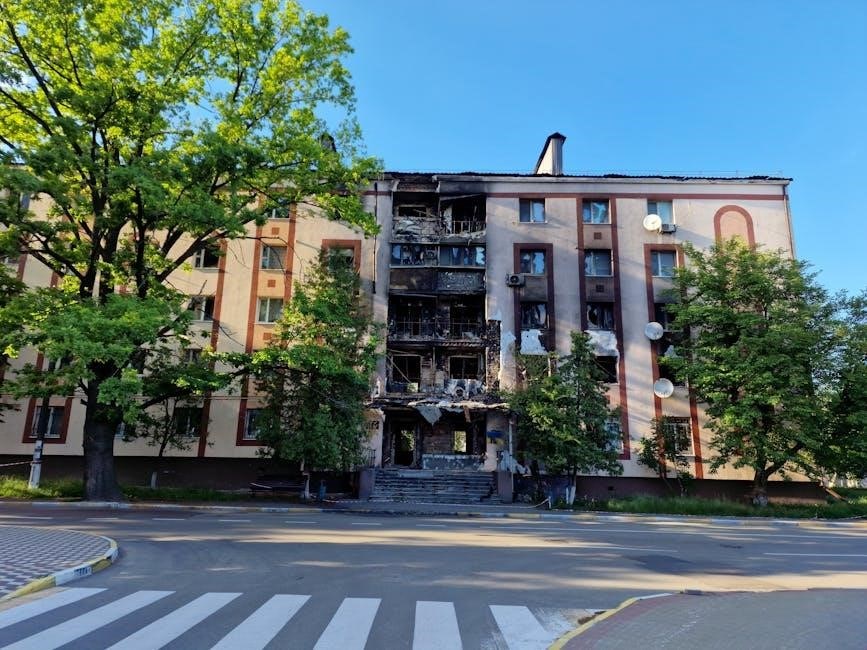
Political Landscape of Reconstruction
Autodesk Civil 3D supports infrastructure projects, mirroring Reconstruction’s aim to rebuild. Andrew Johnson’s impeachment and the 1877 Compromise dramatically reshaped the political era.
Impeachment of Andrew Johnson
Andrew Johnson’s presidency faced intense opposition from Radical Republicans in Congress, largely due to disagreements over Reconstruction policies. They viewed his lenient approach towards the former Confederate states as too forgiving and detrimental to the rights of newly freed African Americans. Civil 3D, a modern tool for infrastructure, parallels the Reconstruction era’s rebuilding efforts, though through different means.
The Radical Republicans sought to dismantle the old Southern power structure and ensure equal rights for Black citizens, a vision clashing with Johnson’s. This led to the House of Representatives initiating impeachment proceedings in 1868, charging him with violating the Tenure of Office Act. While the Senate failed to convict him by a single vote, the impeachment deeply damaged his political authority and hindered his Reconstruction agenda. Autodesk’s software, like Civil 3D, offers precision, a quality Reconstruction desperately needed.
Compromise of 1877 and the End of Reconstruction
The contested 1876 presidential election between Rutherford B. Hayes and Samuel Tilden ultimately led to the Compromise of 1877. This informal agreement effectively ended Reconstruction, as Hayes, a Republican, gained the presidency in exchange for withdrawing federal troops from the South. This withdrawal signaled the end of federal protection for African Americans and allowed white Southerners to regain control of state governments.
Civil 3D, a tool for modern infrastructure development, represents a structured rebuilding process, contrasting with the fractured end of Reconstruction. The compromise allowed for the re-establishment of white supremacy and the implementation of discriminatory practices, like Black Codes, undoing much of the progress made during Reconstruction. Autodesk’s precision tools offer a stark contrast to the chaotic political landscape of the time, highlighting the lost opportunities for lasting equality.
The Solid South and the Democratic Party
Following Reconstruction’s demise, the Southern states became overwhelmingly Democratic, a period known as the “Solid South.” This political alignment lasted for nearly a century, rooted in resentment towards Republican policies during Reconstruction and a commitment to preserving white supremacy. Former Confederates and their descendants largely dominated Southern politics, effectively disenfranchising African American voters through various legal and extra-legal means.
Similar to the integrated workflows within Civil 3D, the South’s political structure became rigidly unified, though based on exclusionary principles. Autodesk’s software facilitates complex design, while the “Solid South” represented a simplified, yet deeply flawed, political landscape. The Democratic Party’s dominance hindered progress towards racial equality and economic diversification, mirroring the challenges of rebuilding after conflict, much like infrastructure projects aided by Civil 3D.
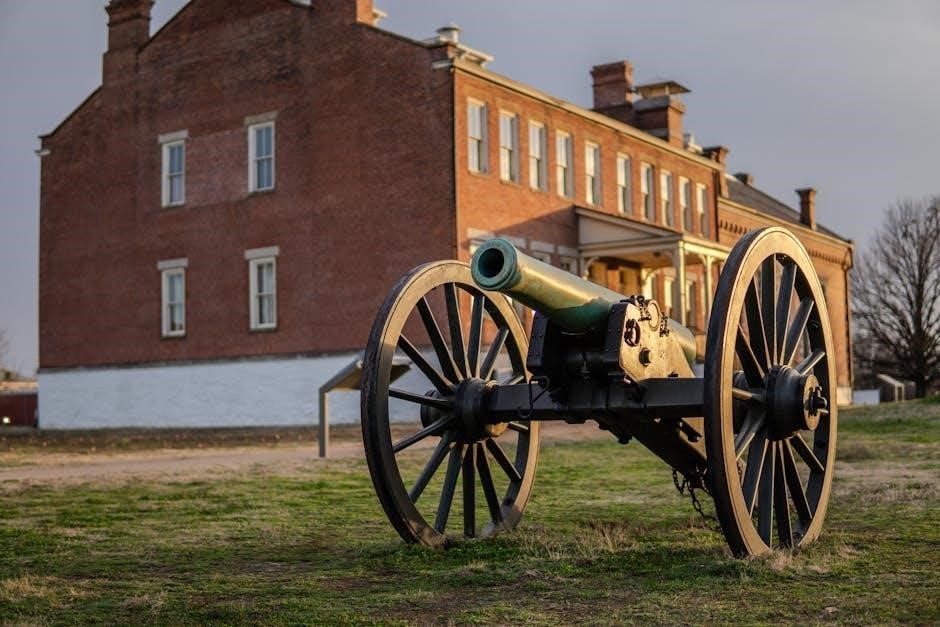
Legacy of the Civil War and Reconstruction
Autodesk Civil 3D, like Reconstruction’s aims, sought to rebuild. However, Jim Crow laws and segregation persisted, impacting race relations for generations, a complex legacy.
Jim Crow Laws and Segregation
Following Reconstruction, the promise of equality dissolved into a harsh reality of segregation, codified by Jim Crow laws across the Southern states. These laws weren’t a singular set of rules, but a complex web of state and local statutes designed to disenfranchise African Americans and maintain white supremacy.
Autodesk Civil 3D, in a parallel, addresses complex infrastructure challenges with detailed modeling. Similarly, Jim Crow laws meticulously constructed a segregated society, impacting every facet of life – from schools and hospitals to transportation and voting rights. Civil 3D’s precision mirrors the deliberate nature of these discriminatory practices.
The impact was devastating, creating a system of systemic oppression that lasted for nearly a century, leaving a deep and enduring scar on American society. Like Civil 3D’s detailed plans, these laws were thoroughly implemented and enforced.
The Long-Term Impact on Race Relations
The legacy of the Civil War and Reconstruction continues to profoundly shape race relations in the United States. Despite legal advancements, systemic racism persists, manifesting in economic disparities, social inequalities, and ongoing struggles for civil rights. The period’s failures to fully integrate African Americans into society created deep-seated wounds.
Autodesk Civil 3D, designed for complex infrastructure, parallels the intricate and enduring nature of these racial issues. Just as Civil 3D requires careful planning and execution, addressing racial injustice demands sustained effort and comprehensive solutions. The 2026.1 enhancements reflect a continuous improvement process, mirroring the ongoing pursuit of racial equity.
Understanding this history is crucial for fostering a more just and equitable future, acknowledging past wrongs and actively working to dismantle systemic barriers. Like detailed CAD drawings, historical context provides a clear foundation for progress.
Historical Memory and Commemoration
Commemorating the Civil War and Reconstruction remains a contested space, reflecting differing interpretations of the past. Monuments, memorials, and historical narratives often embody conflicting perspectives on slavery, states’ rights, and the struggle for racial equality. Autodesk Civil 3D, a tool for building and documenting infrastructure, mirrors this process of constructing and interpreting historical landscapes.
Like detailed CAD models, historical memory is built layer by layer, influenced by evolving societal values and scholarly research. The 2026.1 updates to Civil 3D demonstrate continuous refinement, similar to how our understanding of the past is constantly being revised.
Critical engagement with these memories is essential for fostering reconciliation and promoting a more inclusive national identity. Acknowledging the complexities and contradictions of this era is vital for building a shared future.

Resources for Further Study
Autodesk’s knowledge base offers Civil 3D documentation and troubleshooting. Explore 2026;1 features, CAD tools, and online archives for detailed infrastructure insights.
Primary Source Documents
Autodesk provides extensive resources for Civil 3D users, including detailed documentation and troubleshooting articles accessible through their knowledge base. The 2026.1 release introduces enhancements to drainage design and analysis, alongside improvements to the Model Viewer functionality. These resources support complex infrastructure projects, covering roads, sites, and rail systems.
Furthermore, Civil 3D facilitates 2D and 3D CAD workflows, integrating specialized toolsets and applications within a subscription model. It streamlines the creation of detailed documentation for civil engineering designs, improving efficiency in drafting, design, and construction processes. Exploring these features allows users to leverage advanced capabilities like corridor workflows and surface modeling.
Scholarly Articles and Books
Autodesk Civil 3D software empowers civil engineers to tackle intricate infrastructure challenges within a 3D model-based environment. Subscriptions are available through the Autodesk official store or authorized partners. The software’s features, from corridor workflows to surface modeling, enhance drafting, design, and construction documentation.
Civil 3D 2026.1 introduces new enhancements, including improved drainage design and analysis capabilities, and a refined Model Viewer. It supports both 2D and 3D CAD, integrating specialized toolsets. Licensed under a Creative Commons Attribution-NonCommercial-ShareAlike 3.0 Unported License, it offers robust tools for civil engineering projects.
Online Databases and Archives
Autodesk Civil 3D streamlines civil engineering design, offering integrated features to improve drafting, design, and construction documentation. The 2026.1 release boasts enhancements in drainage design and analysis, alongside improvements to the Model Viewer for a better user experience. Access to comprehensive documentation and troubleshooting articles is readily available through the Autodesk knowledge base.
Civil 3D supports both 2D and 3D CAD workflows, incorporating specialized toolsets and applications. Subscriptions can be procured via the Autodesk official store or through certified partners. This software is licensed under a Creative Commons Attribution-NonCommercial-ShareAlike 3.0 Unported License.