
Overview of Grade 1 Sight Words
First‑grade sight words are essential for early reading fluency. PDFs offer printable worksheets featuring lists like He, she, and other high‑frequency words. Students practice recognition,boosting speed.
Definition and Educational Significance
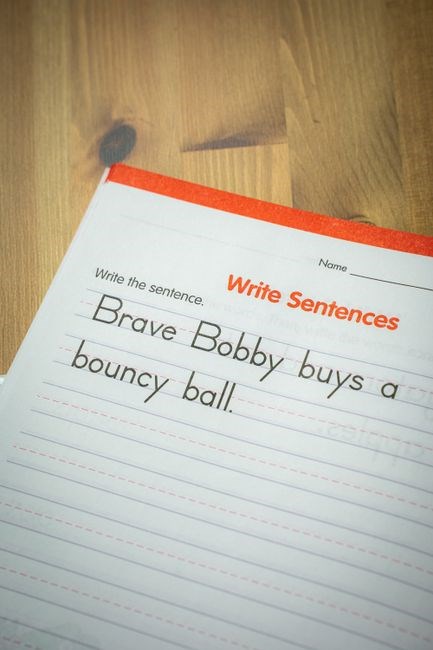
Sight‑word worksheets in PDF format serve as foundational tools for first‑grade literacy. They compile a curated list of high‑frequency words—such as “he,” “she,” “and,” “the,” and “you”—that students are expected to recognize instantly. By presenting these words in a printable, reusable format, educators can reinforce automatic word recognition through repeated exposure. The educational significance lies in accelerating reading fluency, reducing decoding effort, and freeing cognitive resources for comprehension. When students internalize these key vocabulary items, they experience smoother, more confident reading, which in turn boosts overall academic confidence and motivation. PDF worksheets also allow teachers to track progress, adjust difficulty, and integrate seamlessly into lesson plans, making them indispensable for early reading success. These PDFs provide a flexible resource that aligns with curriculum standards, supports differentiated learning, and encourages regular practice.!
Commonly Used Sight Word Lists for First Grade
First‑grade sight‑word PDFs typically feature the Dolch “First‑Grade” subset, the Fry “High‑Frequency” list adapted for 1st‑grade, and the Common Core “Essential Vocabulary;” These lists contain 100– such as “I,” “am,” “you,” “we,” “can,” “do,” “go,” “see,” “look,” “have,” “is,” “was,” “were,” “the,” “and,” “or,” “but,” “if,” “when,” “then,” “so,” “to,” “for,” “in,” “on,” “at,” “by,” “from,” “with,” “about,” “under,” “over,” “above,” “below,” “next,” “home,” “school,” “book,” “read,” “write,” “learn.” Teachers use printable worksheets to drill recognition, spelling, and contextual usage, ensuring students can read and write these words effortlessly. PDFs also allow easy customization, enabling educators to add or remove words based on class progress or curriculum alignment. This flexibility supports differentiated instruction and helps maintain student engagement while building a strong reading foundationStudents can revisit these PDFs for consistent practice

Essential Sight Word Lists for PDFs
PDFs for first‑grade sight words feature the Dolch and Fry lists, plus Common Core vocab. They include 100‑120 high‑frequency words like I, am, you, we, can, do, go, see, look, have, is, was, were, the, and, but. now
Dolch List Adaptations for Grade 1
PDFs for daily use!!.
Grade‑one students benefit from a streamlined version of the classic Dolch sight‑word list. Educators trim the original to a core set of 100–120 items that align with state standards and the Common Core. The adapted list emphasizes words that appear most frequently in first‑grade texts, such as “I,” “can,” “do,” “go,” “see,” “look,” “have,” “is,” “was,” “were,” “but,” “for,” “if,” “not,” “on,” “at,” “in,” “to,” “from,” “with,” “by,” “this,” “that,” “these,” “those,” “my,” “your,” “his,” “her,” “its,” “our,” “their,” “all,” “any.” Teachers often pair the list with printable flashcards, matching games, and fill‑in‑the‑blank worksheets that are available as PDFs. These resources help students recognize words instantly, freeing cognitive load for comprehension. By integrating the Dolch adaptations into daily practice, classrooms create a scaffolded learning environment that supports fluency, decoding, and confidence in early readers. Students repeat aloud. Practice daily.!
Fry High‑Frequency Words Tailored to First Grade
First‑grade students receive a curated subset of the Fry list, focusing on the 200 most common words that appear in early readers. PDFs feature worksheets that blend recognition drills, sentence‑building activities, and matching games. Teachers can download printable flashcards, fill‑in‑the‑blank sheets, and word‑search puzzles, all formatted for easy classroom use. By targeting words such as “the,” “and,” “to,” “of,” “in,” “is,” “you,” “that,” “it,” “he,” “was,” “for,” “on,” “are,” “with,” “as,” “I,” “at,” “by,” “be,” “have,” and “do,” students build automaticity, freeing mental resources for comprehension. The PDF format allows quick adaptation to lesson plans, and the visual layout reinforces phonemic awareness. Regular practice with these high‑frequency words boosts reading fluency and confidence. Teachers can also integrate these worksheets into daily reading circles, ensuring consistent exposure and reinforcing word recognition through varied contexts. for all learners and!

Types of Sight Word Worksheets in PDF Format
Printable flashcards, fill‑in‑the‑blank sheets, matching games, and word‑search puzzles. PDFs allow quick printing and easy sharing for young learners.
Printable Flashcard Sets

Printable flashcard sets are a staple for first‑grade sight‑word instruction. Each card pairs a high‑frequency word with a simple illustration, reinforcing visual memory and phonemic awareness. Teachers can download PDF bundles that include 50–100 cards, allowing quick printing on cardstock or cardstock‑compatible paper. The layout is clean: the word appears in bold, centered, with a large, child‑friendly font, while the image sits below, providing context cues. Because the files are PDF, they preserve formatting across devices, ensuring consistent appearance whether printed at home or in school. Parents can print a set for home practice, creating a portable learning tool that fits in a backpack or lunchbox. Flashcards support a variety of activities: matching, memory games, timed drills, and “find the word” challenges. They also accommodate differentiated instruction; advanced students can work with “advanced” cards that include compound words, while beginners focus on foundational terms. Customization is easy—teachers can add their own images or replace words to align with curriculum goals. The PDF format allows instant sharing via email or cloud storage, making collaboration between educators seamless. By integrating flashcards into daily routines, students build automatic recognition, freeing cognitive load for comprehension and fluency. Students celebrate progress with stickers
Interactive Fill-in-the-Blank Worksheets
Interactive fill‑in‑the‑blank worksheets let first‑graders practice sight words in context. PDFs often feature sentences with missing words such as “He ___ a ball.” Students write the correct word from a list—commonly 10 to 20 high‑frequency terms like he, she, and others from the GreatSchools list. The format encourages phonics checks, spelling accuracy, and comprehension. Teachers can print the PDF or use it on a tablet, allowing instant feedback when students type or write. These worksheets adapt to varying skill levels: beginners receive simple sentences, while more advanced learners tackle longer clauses. Parents can download the PDF, print a set, and review progress at home, reinforcing classroom learning. The interactive nature keeps students engaged, turning passive reading into active recall. Students can also use the PDF to create personalized quizzes, where they replace blanks with synonyms or antonyms, fostering higher‑order thinking and vocabulary expansion beyond basic sight words. This approach also supports differentiated learning. Supports varied learning. daily. now!!

Effective Use of Sight Word PDFs in the Classroom
Classroom use of sight‑word PDFs boosts fluency. Teachers schedule short drills and rotate flashcards. Students trace, read aloud, and self‑check, reinforcing recognition and confidence. Daily practice!!.
Structured Lesson Planning
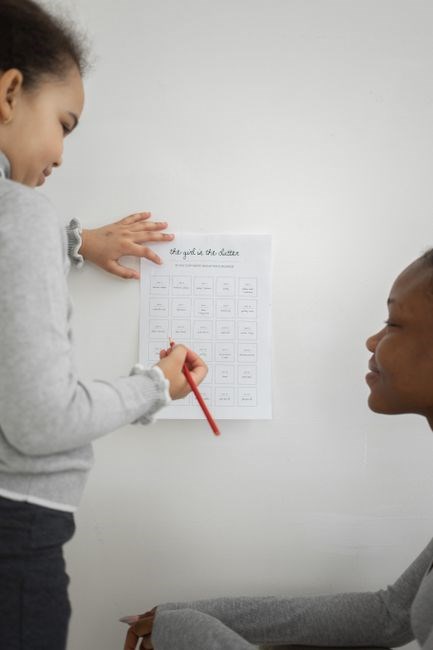
Designing a lesson around PDF sight‑word worksheets involves a clear sequence: begin with a brief introduction of the target words, then present the printable flashcards for visual exposure. Students practice tracing each word, followed by a group read‑aloud to reinforce pronunciation. Next, incorporate a fill‑in‑the‑blank activity that requires students to choose the correct sight word from a list, ensuring active recall. Conclude with a quick self‑check quiz embedded in the PDF, allowing teachers to track progress instantly. By aligning each step with the Common Core reading standards, educators can guarantee that the worksheets support fluency, decoding, and comprehension skills simultaneously. Teachers can embed short quizzes or matching games within the PDF to reinforce learning. The printable format allows easy distribution during class or home study. By reviewing the worksheets weekly, students build confidence and improve reading speed, ultimately achieving grade‑level proficiency!!
Differentiated Instruction Strategies
Teachers can adapt PDF sight‑word worksheets to meet diverse needs by grouping students into tiers based on proficiency. Tier A students receive basic lists and simple fill‑in‑the‑blank tasks; Tier B students tackle more complex sentence‑completion activities that embed the same words. Tier C students engage in creative writing prompts that require spontaneous use of sight words. Visual learners benefit from color‑coded flashcards, while kinesthetic learners practice tracing words on a large printable sheet. Digital PDFs can be annotated with audio playback for auditory reinforcement. Teachers should rotate worksheets weekly, allowing each student to master the words at a comfortable pace, thereby reducing anxiety and encouraging a growth mindset. Tracking progress in a shared spreadsheet helps parents stay informed and reinforces home practice.By integrating visual, auditory, and kinesthetic modalities teachers scaffold learning environments that accommodate styles now quick boost confidence.

Parental Engagement with Grade 1 Sight Word PDFs
Parents download printable worksheets, schedule 10‑minute daily practice, and track progress with a simple chart. Consistent use boosts fluency.
Home Practice Routines
Parents can integrate sight‑word practice into daily routines by using printable PDFs. Start with a 5‑minute warm‑up where children trace words, then move to matching games or flashcards. A rotating schedule keeps material fresh: Monday focus on “the,” Tuesday on “and,” etc. Encourage reading aloud, rewarding correct recognition with stickers or a progress chart. Use the PDF’s fill‑in‑the‑blank worksheets for spaced repetition, and review errors together. Consistency is key; a short, focused session each day builds automaticity and confidence.
- Use the PDF’s fill‑in‑the‑blank worksheets for spaced repetition.
- Review errors together and correct them.
- Keep a progress chart to celebrate milestones.
For consistency, set a fixed time each evening, such as dinner, Mix up the format: sometimes flashcards, sometimes a quick matching game, or a simple sentence completion activity. Celebrate small victories with a sticker or a high‑five to keep motivation high.!
Tracking Progress and Feedback
Use the printable PDF worksheets to record each child’s accuracy on the 20‑word list, noting correct recognitions and missed items. Create a simple spreadsheet or a paper log where parents tick boxes after each session. Highlight trends: if a word appears repeatedly in errors, focus a mini‑lesson on that term. Share weekly summaries with teachers via email or a shared drive, attaching screenshots of completed worksheets. Positive feedback—praise specific words mastered and constructive notes help keep motivation high. Rotate the 10 high‑frequency words from GreatSchools (“he,” “she,” etc.) to keep practice varied.
Record progress weekly, noting each word’s mastery level. Use a simple color‑coding system: green for mastered, yellow for working, red for needs review. Share these updates with the teacher to align home and school instruction. Encourage children to self‑check by reading the word aloud and marking it green on a progress chart.
Feedback keeps motivation high each day!!.

Digital Platforms and Resources for Sight Word PDFs
Free sites like Education.com and Starfall offer downloadable PDFs. Paid options such as ABCmouse provide worksheets; Parents can print now!.
Popular Educational Sites Offering Free PDFs
First‑grade sight‑word worksheets are widely available on several free educational platforms. Education.com hosts a curated collection of printable PDFs that cover the Dolch and Fry lists, with activities such as matching, tracing, and fill‑in‑the‑blank drills. Starfall.com provides interactive flashcards and printable sheets that emphasize phonics‑based sight words, ideal for reinforcing early reading skills. CommonLit.org offers downloadable worksheets linked to short reading passages, allowing students to practice sight words in context. ReadWorks.org supplies PDF bundles that combine vocabulary lists with comprehension questions, supporting both recognition and meaning. Teachers and parents can download, print, and adapt these resources to suit classroom or home‑learning schedules. These resources can be customized with color coding or phoneme labels to match individual learning styles. in printable form!.
Subscription-Based Resources and Licensing
Many publishers offer premium packages that bundle sight‑word PDFs with lesson plans, progress trackers, and teacher support. Scholastic’s “Reading Power” provides downloadable worksheets aligned to the Dolch list, plus an online portal for assessment data and licensing agreements. Houghton Mifflin Harcourt’s “First Grade Reading” offers a subscription that includes interactive PDFs, printable flashcards, and a cloud‑based dashboard to monitor student performance. Oxford Learning’s “Sight‑Word Mastery” supplies a monthly subscription of themed worksheets, printable activities, and a licensing model that allows schools to share resources across districts. These services often require annual fees but offer extensive customization, teacher training, and compliance with copyright laws. These plans also include teacher guides, progress dashboards, and downloadable lesson plans that link sight‑word drills to reading comprehension daily
Common Challenges and Solutions
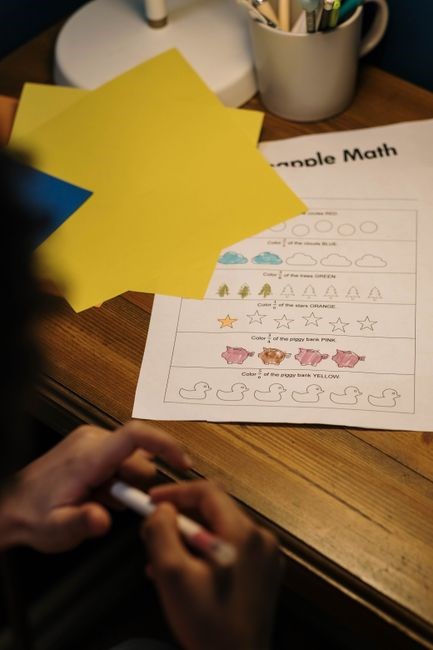
Students often struggle with word retention and motivation. PDFs with gamified flashcards, timed quizzes, and progress charts help maintain engagement and track improvement for all learners. Use them daily.!!
Addressing Reading Anxiety in First Graders
Many first‑grade students experience anxiety when encountering unfamiliar words, which can hinder fluency. Sight‑word PDFs that incorporate visual cues, color coding, and short, repetitive drills help reduce pressure. By presenting words in a calm, structured format—such as a “word wall” graphic organizer or a “word‑of‑the‑day” flashcard—students build confidence through repeated exposure. Teachers can pair PDFs with guided reading circles, where peers read aloud and model pronunciation, creating a supportive environment. Parents can reinforce this by setting up a home reading nook, encouraging daily 5‑minute practice, and celebrating small milestones. Consistent, low‑stakes practice turns anxiety into excitement, fostering a positive reading mindset.
Use color‑coded flashcards and timed quizzes to give students a sense of achievement. Encourage sessions where children read aloud and offer feedback, turning practice into a fun activity. daily interactive!
Students who practice daily feel confident!!
Managing Low Motivation and Engagement
First‑grade students often lose interest when worksheets feel repetitive. PDFs that blend gamified elements—such as matching games, word bingo, and progress trackers—can re‑ignite curiosity. By embedding colorful visuals and short, interactive fill‑in‑the‑blank tasks, children experience immediate success. Teachers can rotate themes weekly, introducing seasonal or story‑based word sets that tie into classroom narratives. Parents can set up a “word‑challenge” leaderboard at home, rewarding streaks with stickers or extra story time. Consistent, varied practice keeps motivation high and ensures sight‑word mastery.
Teachers can use sight‑word PDFs daily by setting a “word‑of‑the‑day” station. Students flip through a small stack of cards, read aloud, and match the word to a picture. This tactile interaction reinforces memory. Parents can create a quick “home‑practice” sheet that mirrors the classroom layout, celebrating small victories to boost confidence. Kids proudly read words aloud, sharing successes with peers daily now.