Duralast Battery Charger Manual: A Comprehensive Guide
Navigating the complexities of battery maintenance? This manual provides detailed instructions‚ troubleshooting‚ and safety guidelines for optimal Duralast charger performance and battery longevity.
Duralast battery chargers are engineered for reliable and efficient battery charging across diverse applications. From automotive starting batteries to deep-cycle marine and recreational vehicle power sources‚ Duralast offers solutions. These chargers are designed with user-friendliness in mind‚ incorporating features like automatic voltage detection and multiple charging modes.
This guide details operation‚ safety‚ and maintenance‚ ensuring peak performance and extending both charger and battery lifespan. Understanding your Duralast charger is key to maximizing its benefits.
Understanding Battery Charger Types
Duralast offers a range of chargers tailored to specific battery needs. 12V battery chargers are standard for most automotive applications‚ while 6V chargers cater to older vehicles or specific equipment. Multi-voltage chargers provide versatility‚ automatically adjusting to 6V or 12V systems.
Selecting the correct charger type is crucial for optimal charging and preventing damage. Consider your battery’s voltage and type when choosing a Duralast charger.
12V Battery Chargers
Duralast 12V chargers are designed for the majority of automotive‚ marine‚ and recreational vehicle batteries. These chargers efficiently deliver power to maintain and restore 12-volt lead-acid‚ AGM‚ and gel batteries.
They often feature multiple charging modes‚ including standard‚ fast‚ and maintenance‚ ensuring compatibility and optimal performance. Always verify the charger’s amperage rating matches your battery’s requirements for safe and effective charging.
6V Battery Chargers
Duralast 6V battery chargers cater to older vehicles‚ classic cars‚ and specific powersport applications utilizing 6-volt battery systems. These chargers are engineered to provide a controlled and safe charge‚ preventing overcharging and extending battery life.
Like their 12V counterparts‚ they often include selectable charging modes. Confirming the correct voltage setting is crucial before connecting to avoid damaging the battery. Proper polarity connection is also essential.
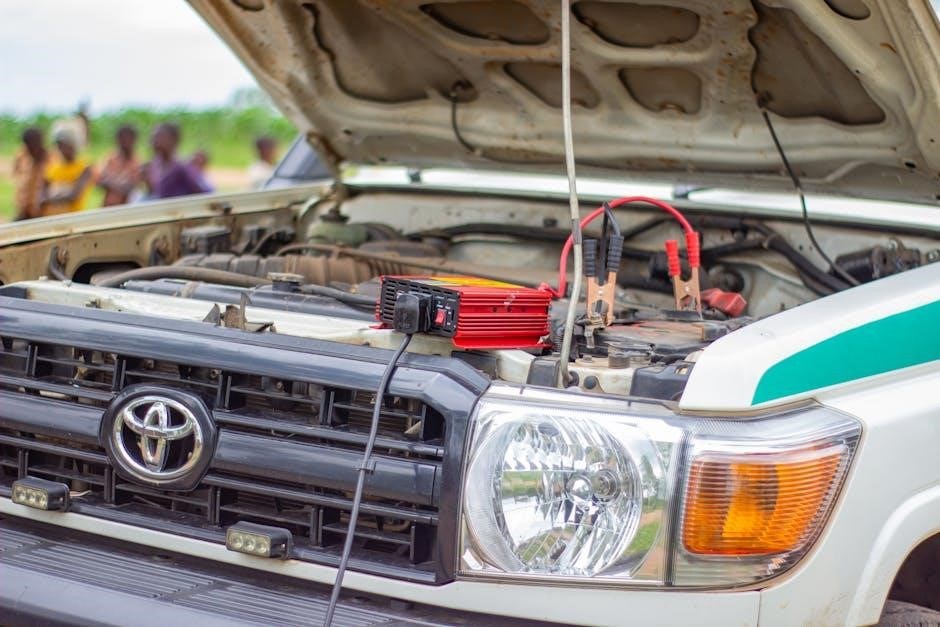
Multi-Voltage Battery Chargers
Duralast multi-voltage battery chargers offer versatility‚ supporting both 6V and 12V battery systems. This eliminates the need for separate chargers‚ making them ideal for users with diverse vehicle or equipment needs.
These chargers typically feature a voltage selection switch or automatic voltage detection. Always verify the selected voltage matches the battery before initiating the charging process to prevent damage. Careful attention to polarity is also vital.
Safety Precautions
Prioritize safety when using your Duralast battery charger. Always work in a well-ventilated area‚ as batteries release explosive gases during charging. Avoid creating sparks near the battery‚ and never smoke or use open flames.
Wear appropriate eye protection and gloves. Disconnect the charger before connecting or disconnecting the battery. Ensure the charger is properly grounded to prevent electrical shock. Improper use can lead to battery damage or personal injury.
General Safety Guidelines
Always inspect the charger and cables for damage before each use; do not operate if compromised. Ensure a stable‚ dry working surface‚ away from flammable materials. Never disassemble the charger – repairs should be performed by qualified personnel only.
Keep the charger out of reach of children. Avoid charging damaged or frozen batteries. Disconnect the charger from the power source when not in use. Follow all local electrical codes and regulations.
Battery Safety Information
Batteries produce explosive gases during charging – ensure adequate ventilation. Wear appropriate eye protection and gloves when handling batteries‚ as electrolyte is corrosive. Avoid short-circuiting the battery terminals with metal objects. Improper handling can lead to battery rupture or acid leakage.
Never charge a leaking or damaged battery. Dispose of old batteries responsibly‚ following local regulations. Keep batteries upright during charging to prevent electrolyte spillage.
Duralast Battery Charger Features
Duralast chargers boast versatile functionality‚ offering both automatic and manual charging modes for tailored battery care. “Smart” chargers utilize multi-stage charging‚ optimizing speed and battery health. A built-in maintenance mode prevents overcharging‚ extending battery lifespan.
These features ensure compatibility with various battery types and provide a safe‚ efficient charging experience. Select models include desulfation capabilities‚ potentially restoring older batteries.
Automatic vs. Manual Chargers
Automatic Duralast chargers simplify battery maintenance by detecting battery voltage and charge level‚ adjusting the charging process accordingly. This “set it and forget it” approach minimizes user intervention and prevents overcharging.
Manual chargers‚ conversely‚ require users to select the appropriate voltage and amperage‚ offering greater control but demanding more knowledge. They are suitable for specific battery types or specialized charging needs.
Smart Chargers & Charging Stages
Duralast smart chargers employ multi-stage charging for optimal battery health. Typically‚ this includes a desulfation stage to recover heavily discharged batteries‚ a bulk charge for rapid initial charging‚ a absorption stage for full capacity‚ and a float stage for maintenance.
These stages ensure efficient charging‚ prevent damage‚ and extend battery lifespan. The charger automatically transitions between stages based on battery condition‚ providing a tailored charging profile.
Built-in Maintenance Mode
Duralast chargers often feature a built-in maintenance mode‚ crucial for long-term battery storage. This mode delivers a low‚ continuous charge‚ counteracting self-discharge and preventing sulfation – a common cause of battery failure during inactivity.

This ensures your battery remains at peak capacity when needed‚ even after extended periods of non-use. Regularly utilizing maintenance mode significantly extends the overall lifespan of your valuable battery investment.
Setting Up Your Duralast Battery Charger
Proper setup is vital for safe and effective charging. First‚ ensure the charger is placed on a stable‚ dry surface‚ away from flammable materials. Connect the charger to a grounded power outlet‚ verifying the voltage matches the charger’s specifications.
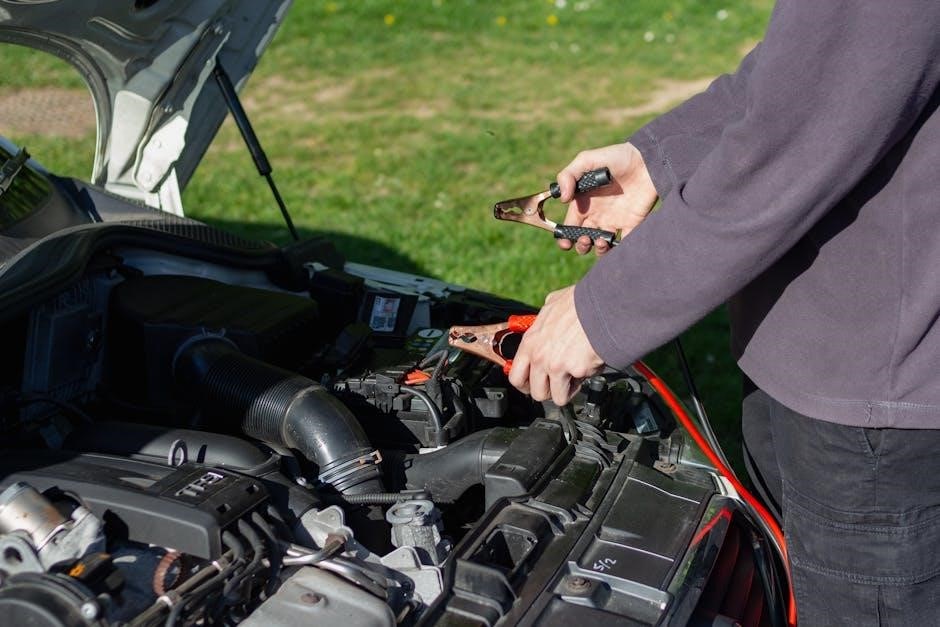
Next‚ carefully connect the positive (red) clamp to the battery’s positive terminal and the negative (black) clamp to the negative terminal‚ ensuring a secure connection before initiating the charging process.
Connecting the Charger to a Power Source
Before connecting‚ verify your outlet provides the correct voltage as indicated on the charger’s label – typically 120V AC in North America. Use a grounded outlet to minimize electrical shock risk. Inspect the power cord for any damage‚ like fraying or exposed wires; do not use if damaged.
Plug the charger securely into the outlet. Avoid using extension cords if possible; if necessary‚ use a heavy-duty cord rated for the charger’s amperage.
Connecting the Charger to the Battery
Ensure the battery is in a well-ventilated area‚ away from flammable materials. Identify the positive (+) and negative (-) terminals on the battery. Connect the red clamp to the positive terminal and the black clamp to the negative terminal.
Confirm a secure connection; loose clamps can cause sparks or ineffective charging. Double-check polarity before proceeding – reversed polarity can damage the charger and battery.
Charging Procedures
Initiate charging by selecting the appropriate mode – Standard‚ Fast (if available)‚ or Desulfation. Monitor the charging process; the charger’s indicator lights will display the battery’s status.
Avoid interrupting the charging cycle prematurely‚ as this can reduce battery lifespan. Once fully charged‚ the charger will typically switch to a maintenance mode to prevent overcharging and maintain optimal battery health.
Standard Charging Mode
Utilize standard charging for routine battery maintenance and full recharge cycles. This mode delivers a consistent‚ controlled current‚ ideal for most lead-acid‚ AGM‚ and gel batteries.
Allow ample time for completion‚ as standard charging is slower than fast charging. Monitor the charger’s indicator lights; a full charge is indicated when the light changes or turns off. This method maximizes battery lifespan and prevents damage.
Fast Charging Mode (If Applicable)
If your Duralast charger features fast charging‚ it delivers a higher current for quicker battery replenishment. However‚ exercise caution as excessive heat can occur.
This mode is best suited for batteries with a significant discharge and when time is critical. Regularly monitor the battery’s temperature during fast charging. Avoid prolonged use‚ as it may reduce battery lifespan. Always revert to standard charging once fully charged.
Desulfation Mode (If Applicable)
Certain Duralast chargers include a desulfation mode designed to recover batteries exhibiting sulfate buildup on the plates‚ a common cause of reduced capacity. This process applies a specific voltage pulse to break down the sulfate crystals.
Desulfation is a slow process‚ potentially taking several hours or even days‚ depending on the battery’s condition. It’s not guaranteed to restore all batteries‚ but can extend their usable life. Monitor the charger’s progress and avoid interruption.
Troubleshooting Common Issues
Encountering problems with your Duralast charger? This section addresses frequent concerns. If the charger doesn’t power on‚ check the power cord and outlet. A battery failing to charge may indicate reversed polarity or a damaged battery.
Pay attention to error codes displayed – consult the manual for their specific meanings. If issues persist‚ avoid disassembly and contact Duralast customer support for assistance. Always prioritize safety when troubleshooting.
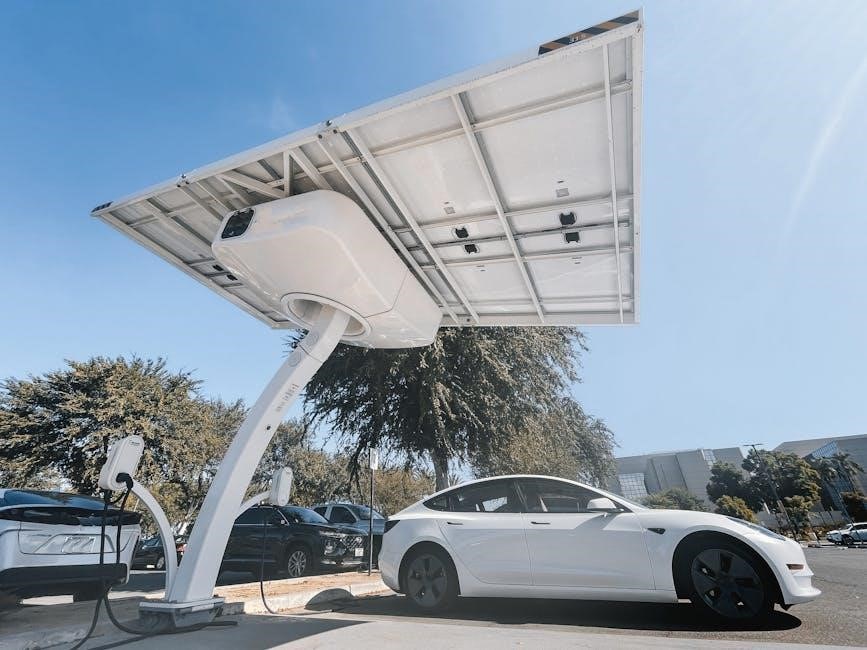
Charger Not Turning On
Is your Duralast charger failing to power up? First‚ verify the power cord is securely connected to both the charger and a functioning wall outlet. Test the outlet with another device to confirm it’s providing power. Inspect the power cord for any visible damage‚ like cuts or fraying.
If problems continue‚ check the charger’s internal fuse (if applicable). Never attempt repairs yourself; contact Duralast support for guidance.
Battery Not Charging
Experiencing issues with your battery failing to charge? Ensure the charger clamps are firmly and correctly connected to the battery terminals – red to positive (+)‚ black to negative (-). Verify the battery voltage is within the charger’s compatible range. A severely discharged or sulfated battery may require a desulfation cycle.
Check for corrosion on the battery terminals and clean them if necessary. If the issue persists‚ the battery itself may be faulty.
Error Codes and Their Meanings
Duralast chargers utilize error codes to diagnose issues. A flashing red light might indicate reversed polarity – immediately disconnect and correct the connection. An “Err 1” code could signal a battery that won’t accept a charge‚ potentially due to sulfation or internal damage. “Err 2” often points to overvoltage protection activation.
Consult the full error code list in the manual for a comprehensive understanding of each code and recommended solutions.
Maintenance and Care
To ensure longevity‚ regular maintenance is key; Periodically cleaning the charger with a dry cloth removes dust and debris‚ preventing overheating. Inspect the charging cables for fraying or damage; replace if necessary. Proper storing the charger in a cool‚ dry place protects it from environmental factors.
Avoid exposing the charger to extreme temperatures or moisture. Routine checks maintain optimal performance.
Cleaning the Charger
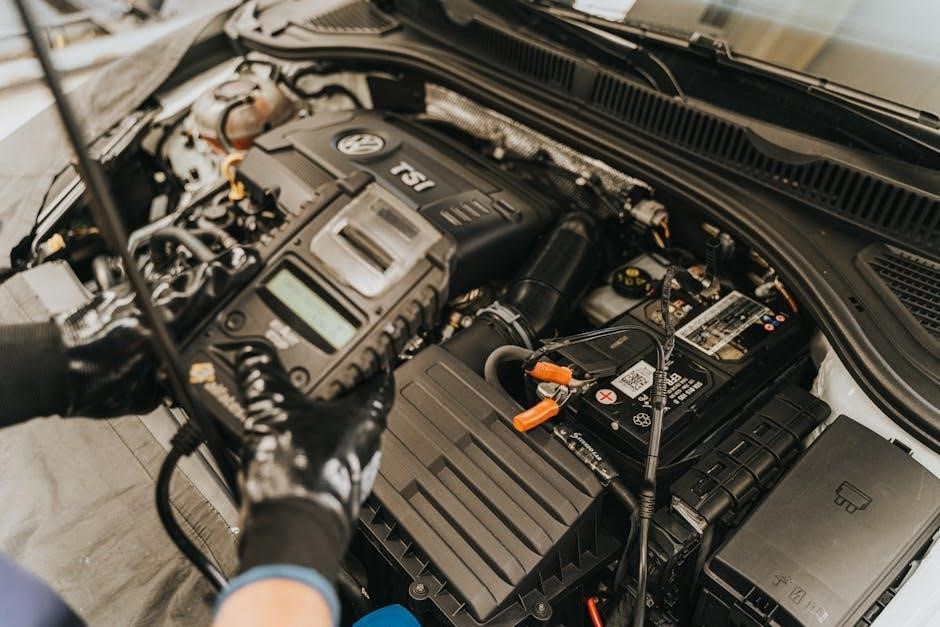
Maintaining a clean charger is crucial for safe and efficient operation. Always disconnect the charger from both the power source and the battery before cleaning. Use a soft‚ dry cloth to wipe down the exterior casing‚ removing any dust‚ dirt‚ or grime.
Avoid using water or solvents‚ as these can damage internal components. For stubborn dirt‚ a slightly damp cloth may be used‚ ensuring it’s thoroughly dried afterward.
Storing the Charger
Proper storage extends the life of your Duralast battery charger. Before storing‚ ensure the charger is completely cool and dry. Disconnect it from the power source. Store the charger in a cool‚ dry environment‚ away from direct sunlight and extreme temperatures.
Avoid storing near flammable materials or in areas with high humidity. Keep the charging cables neatly coiled to prevent damage and ensure easy access when needed.
Duralast Battery Charger Specifications
Understanding your charger’s capabilities is crucial for safe and effective use. Duralast chargers offer diverse voltage output ranges‚ typically spanning from 6V to 12V‚ and sometimes higher for specialized applications. Ampere output ranges vary‚ commonly from 2A to 10A‚ depending on the model.
Physical dimensions and weight differ based on the charger’s features and capacity; consult the specific model’s documentation for precise details.
Voltage Output Ranges
Duralast battery chargers are designed to accommodate a variety of battery voltages. Most models feature selectable voltage outputs‚ commonly including 6V and 12V options to support diverse automotive‚ marine‚ and power sport batteries. Some advanced chargers offer wider ranges‚ potentially extending up to 16V or 24V.
Always verify the battery’s required voltage before connecting the charger to prevent damage.

Ampere Output Ranges
Duralast battery chargers provide varying amperage outputs to suit different battery sizes and charging needs. Common amperage ranges include 2A‚ 5A‚ 10A‚ and 20A‚ allowing for both trickle charging of smaller batteries and faster charging of larger ones.
Selecting the appropriate amperage is crucial; higher amperage doesn’t always mean faster charging and can potentially harm the battery if mismatched.

Charger Dimensions and Weight
Duralast battery chargers are designed for portability and ease of use. Dimensions typically range from 6 inches to 12 inches in length‚ 4 inches to 8 inches in width‚ and 3 inches to 6 inches in height‚ depending on the model.
Weight varies from approximately 2 pounds to 5 pounds‚ making them manageable for most users. These compact designs facilitate storage and transport.
Understanding Battery Types & Compatibility
Duralast chargers support various battery chemistries‚ ensuring broad vehicle coverage. Primarily‚ they are compatible with lead-acid batteries – flooded‚ AGM (Absorbent Glass Mat)‚ and Gel. Confirm your battery type before charging to avoid damage.
Some advanced Duralast models may also support lithium-ion batteries‚ but always verify compatibility in the charger’s specifications. Incorrect settings can lead to reduced battery life or safety hazards.
Lead-Acid Batteries (Flooded‚ AGM‚ Gel)
Duralast chargers excel at maintaining lead-acid batteries. Flooded batteries require periodic water level checks‚ while AGM and Gel are sealed and maintenance-free. Select the appropriate charging profile on your Duralast charger based on your battery type.
Using the wrong profile can cause undercharging or overcharging‚ shortening battery lifespan. Always refer to your vehicle’s manual or battery manufacturer’s recommendations for optimal charging parameters.
Lithium-Ion Batteries (If Supported)
If your Duralast charger supports Lithium-Ion batteries‚ exercise extreme caution. These batteries require a specific charging algorithm to prevent damage or fire hazards. Always verify compatibility before connecting a Lithium-Ion battery.
Utilize the designated Lithium-Ion charging mode if available‚ and never exceed the battery’s voltage limits. Improper charging can lead to thermal runaway and pose a significant safety risk. Consult the battery manufacturer’s guidelines.
Advanced Features & Settings
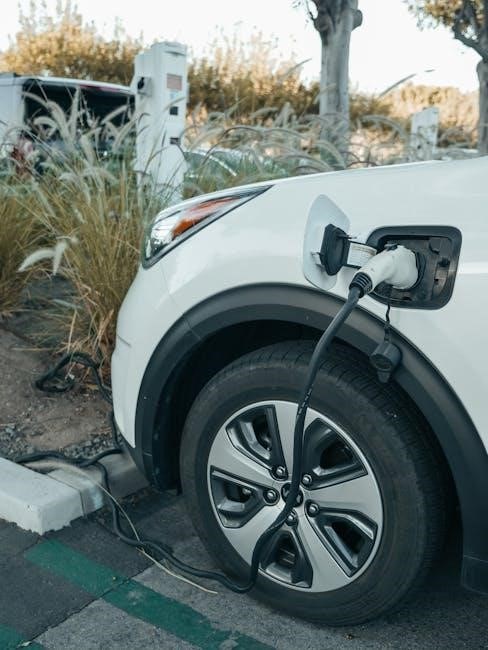
Duralast chargers may offer advanced settings for optimized charging. Temperature compensation adjusts the charging voltage based on ambient temperature‚ crucial for cold weather. Voltage selection allows manual adjustment for specific battery types or requirements.
Explore these features within the charger’s interface to tailor the charging process. Incorrect settings can negatively impact battery life or charging efficiency. Refer to the specific model’s documentation for detailed instructions and recommended values.
Temperature Compensation
Duralast chargers with temperature compensation automatically adjust the charging voltage based on the surrounding temperature. Cold temperatures require a higher voltage to overcome internal battery resistance‚ while warm temperatures necessitate a lower voltage to prevent overcharging.
This feature ensures optimal charging in varying conditions‚ extending battery life and preventing damage. Enable this setting for consistent performance‚ especially in environments with significant temperature fluctuations. Consult your model’s manual for specific implementation details.
Voltage Selection
Duralast multi-voltage chargers offer flexibility for various battery systems. Carefully select the correct voltage (6V or 12V) before connecting to the battery. Incorrect voltage selection can cause irreversible damage to the battery or the charger itself.
Refer to your battery’s specifications to determine the appropriate voltage. Some chargers feature an auto-voltage detection mode‚ simplifying the process. Always double-check your settings before initiating the charging cycle for safe and effective operation.
Warranty Information
Duralast battery chargers are backed by a limited warranty against defects in materials and workmanship. The standard warranty period is typically one year from the date of original purchase‚ but may vary. This warranty covers product replacement or repair‚ at Duralast’s discretion.
Warranty claims require proof of purchase. Damage due to misuse‚ abuse‚ or unauthorized modifications is not covered. For detailed warranty terms and claim procedures‚ please consult the included warranty card or visit the Duralast website.
Duralast Charger Warranty Details
The Duralast battery charger warranty covers defects in materials and workmanship for one year from the purchase date. This warranty specifically excludes damage resulting from improper use‚ accidents‚ or unauthorized repairs. Coverage includes repair or replacement of the defective unit‚ at Duralast’s option.
To initiate a claim‚ retain your proof of purchase and contact Duralast customer support. Shipping costs for returning the unit may be the responsibility of the customer. Warranty is non-transferable and applies to the original purchaser only.
How to Claim Warranty
To begin the warranty claim process‚ gather your original purchase receipt as proof of date and location. Contact Duralast customer support via phone or their website‚ detailing the issue. A representative will provide a Return Merchandise Authorization (RMA) number and shipping instructions.
Carefully package the charger‚ including all accessories‚ and ship it to the designated address. Include the RMA number clearly on the package. Duralast will inspect the unit and notify you of the repair or replacement status.
Frequently Asked Questions (FAQ)
Q: My charger isn’t turning on. Check the power cord and outlet. Q: The battery isn’t charging. Ensure proper connection and select the correct battery type. Q: What do the error codes mean? Refer to the troubleshooting section for code definitions. Q: Can I charge all battery types? Compatibility varies; see the specifications section.
Q: Does this charger have automatic shut-off? Yes‚ smart chargers feature automatic shut-off to prevent overcharging. Q: How do I clean the charger? Wipe with a dry cloth; avoid liquids.
Resources and Support
Need further assistance with your Duralast battery charger? Contact our dedicated customer support team at 1-800-DURALAST for expert guidance. Visit our website at [insert website address here] to access a comprehensive library of online manuals‚ detailed documentation‚ and helpful troubleshooting guides.
For frequently asked questions and video tutorials‚ explore our support portal. We are committed to ensuring a seamless charging experience for all our customers.
Duralast Customer Support Contact Information
For immediate support‚ reach our Duralast Customer Care team via phone at 1-800-DURALAST‚ available Monday-Saturday‚ 7 AM to 9 PM Central Time. You can also email us at support@duralast.com for non-urgent inquiries.
Live chat support is accessible through our website‚ [insert website address here]‚ during business hours. Our knowledgeable representatives are ready to assist with any questions regarding your charger or battery needs.
Online Manuals and Documentation
Access a wealth of resources on the official Duralast website! Download detailed user manuals for all charger models‚ including comprehensive guides on charging procedures‚ troubleshooting steps‚ and safety precautions.
Explore our FAQ section for quick answers to common questions. Additionally‚ find helpful videos demonstrating proper charger setup and battery maintenance techniques. Visit [insert website address here] to access these valuable documents and support materials.