Babylock Repair Manual: A Comprehensive Guide
This guide offers detailed Babylock machine repair information, including service manuals, troubleshooting, and part locations, ensuring longevity and optimal performance for your sewing machine․

Understanding Babylock Machine Models
Babylock offers a diverse range of sewing machines, each with unique features and complexities․ BLE1 series machines, known for their coverstitch capabilities, require specific repair knowledge, as detailed in their service manuals available online․ The BL9 series, including models like the BL9-1, are popular for their versatility and often necessitate understanding of differential feed adjustments․
Furthermore, Babylock pioneered the combination sewing and coverstitch machine, demanding technicians possess expertise in both technologies․ Models like those with Sashiko stitch mechanisms require specialized attention to maintain their unique functionality․ Recognizing the specific model is crucial, as parts and repair procedures vary significantly․ Understanding the differential feed system, a hallmark of Babylock, is also essential for effective repair, allowing for optimal fabric handling and stitch quality․ Accessing the correct service manual, identified by the machine’s model number, is the first step in any repair process․
Accessing Babylock Service Manuals Online
Babylock service manuals are invaluable resources for repair technicians and dedicated home users․ While official manuals aren’t always freely available directly from Babylock, numerous online platforms host them․ Searching for “[Machine Model Number] service manual” (e․g․, “BLE1 service manual”) often yields results on websites specializing in sewing machine documentation․
Several forums dedicated to sewing machine repair also serve as repositories for these manuals, shared by experienced users․ Websites offering downloadable PDFs are common, though verifying the manual’s authenticity and completeness is crucial․ BabyLock․com itself may offer limited access or links to authorized dealers who can provide manuals․ Remember to check the date of the manual to ensure it corresponds to your machine’s production year, as revisions occur․ Always prioritize official sources when possible, and be cautious of potentially unreliable downloads․
Common Babylock Machine Issues
Babylock machines, while renowned for their quality, aren’t immune to common sewing machine problems․ Thread breakage is frequently reported, often stemming from incorrect threading, improper tension, or a dull needle․ Needle breakage can occur when attempting to sew through overly thick fabric or if the needle isn’t correctly inserted or is the wrong type for the material․

Tension problems are also prevalent, leading to looping or puckering of the fabric․ Issues with the differential feed can cause stretching or gathering of fabrics, particularly knits․ The knife system, crucial for sergers, may become dull or misaligned, resulting in uneven fabric trimming․ Finally, problems with the Sashiko stitch mechanism can prevent the creation of the desired decorative effect․ Addressing these issues often requires referencing the service manual for specific troubleshooting steps and component adjustments․
Thread Breakage Problems
Thread breakage in Babylock machines is a common frustration, often linked to several factors․ Incorrect threading is a primary culprit; ensure the thread path follows the manual precisely, checking for obstructions․ Improper tension, whether too tight or too loose, stresses the thread, leading to snaps․ A dull or damaged needle significantly increases the risk of breakage, especially when sewing thicker materials․
Furthermore, using the wrong type of thread for the fabric or machine model can contribute to the issue․ Lint buildup within the tension discs or thread guides can also cause friction and breakage․ Regularly cleaning your machine, as outlined in the service manual, is crucial․ Finally, verify the thread spool is correctly positioned and unwinding smoothly․ Consistent breakage often indicates a deeper mechanical issue requiring professional attention․
Needle Breakage Issues
Needle breakage in a Babylock machine signals a problem demanding immediate attention․ Often, the root cause is forcing the fabric through the machine – never push or pull! Using the incorrect needle type or size for the fabric weight is a frequent offender; consult your manual for proper selection․ A bent or damaged needle, even slightly, is prone to snapping and can damage other components․
Incorrect threading, similar to thread breakage, can strain the needle․ Improper tension settings also contribute, creating excessive force․ Hitting a pin or other hard object during sewing is an obvious cause, but check for hidden obstructions within the needle plate area․ Regularly inspect the needle for any signs of damage before each use․ If breakages persist, a timing issue within the machine may require professional diagnosis and repair, as detailed in the service manual․
Babylock BLE1 Series Repair Focus
Babylock BLE1 series machines, popular for their versatility, often require attention to the loopers and needle timing․ The BLE1 service manual is crucial for accurate adjustments․ Common issues include inconsistent stitch formation, often stemming from looper misalignment or dull blades․ Regularly cleaning the loopers and blade area is essential preventative maintenance․
Tension problems are frequent, requiring careful re-threading and adjustment of the tension dials․ The differential feed mechanism, a hallmark of Babylock, can become sticky or unresponsive, impacting fabric handling․ Inspect the drive belts for wear or breakage․ When disassembling, meticulous labeling of parts is vital for reassembly, referencing the detailed diagrams within the service manual․ Remember to always consult the manual before attempting any internal repairs․
Babylock BL9 Series Repair Focus
Babylock BL9 series machines, known for their combined coverstitch and serger capabilities, present unique repair challenges․ Accessing the BL9 service manual is paramount for navigating its complex mechanisms․ A frequent issue is improper stitch formation, often linked to incorrect needle or looper timing․ Precise adjustments, guided by the manual’s specifications, are critical․
The knife system, responsible for trimming fabric during serging, can dull or become misaligned, leading to uneven edges․ Regularly sharpening or replacing the blades is necessary․ Tension inconsistencies are also common, requiring careful re-threading and dial adjustments․ Inspect the differential feed mechanism for smooth operation, as it significantly impacts fabric handling․ Always prioritize referencing the service manual’s diagrams during disassembly and reassembly to ensure correct component placement․
Differential Feed Adjustment & Repair
Babylock machines utilize a differential feed system to prevent fabric puckering or stretching during serging․ Proper adjustment is crucial for achieving professional-looking seams on various fabric types․ When troubleshooting, begin by verifying the correct settings on the differential feed dial, ranging typically from 0․6 to 2․0:1․ If fabrics still exhibit issues, inspect the feed dogs for damage or debris accumulation․
Internal repairs may involve disassembling the feed mechanism, requiring careful attention to the service manual’s diagrams․ Worn or broken feed dog components must be replaced with genuine Babylock parts․ Ensure smooth movement of all related levers and gears․ Incorrect reassembly can lead to uneven stitching or fabric feed problems․ Regularly cleaning and lubricating the mechanism will prolong its lifespan and maintain optimal performance․ Always test adjustments on scrap fabric before working on a final project․
Repairing the Babylock Knife System
Babylock sergers feature a precision knife system for cleanly trimming fabric edges during sewing․ When encountering issues like dull blades or erratic cutting, safety is paramount – always disconnect the power before inspection․ Begin by checking for obstructions, such as thread buildup or fabric scraps, hindering knife movement․ Dull blades require sharpening or replacement with genuine Babylock parts․
Repairing the knife mechanism often involves disassembling the knife housing, referencing the service manual for detailed instructions․ Inspect the knife drive components for wear or damage, including the knife bar and associated linkages․ Ensure smooth, synchronized movement of both upper and lower knives․ Proper lubrication is vital for preventing friction and ensuring consistent cutting performance․ After reassembly, test the knife system on scrap fabric to verify its functionality and alignment․
Troubleshooting Tension Problems
Babylock tension issues manifest as looping, puckering, or uneven stitches․ Begin by re-threading the machine correctly, ensuring the thread is properly seated in the tension discs․ Consult your machine’s manual for the correct threading path․ Next, clean the tension discs with a soft brush to remove lint and debris that can impede smooth thread flow․
Adjusting tension requires a systematic approach․ Start by balancing the upper and lower tensions, making small adjustments and testing on scrap fabric after each change․ Incorrect thread type or weight can also cause tension problems; use recommended threads for optimal results․ If problems persist, inspect the take-up lever and ensure it moves freely․ A malfunctioning take-up lever can disrupt tension control․ Refer to the service manual for detailed diagrams and troubleshooting steps specific to your Babylock model․
Sashiko Stitch Mechanism Repair
Babylock Sashiko machines utilize a unique mechanism to emulate hand-stitching․ Repair often involves addressing issues with the specialized feed dogs and stitch length control․ Begin by inspecting the feed dogs for damage or debris, ensuring they move freely and consistently․ Check the sashiko stitch length adjustment dial; it should rotate smoothly and accurately control the stitch length․
If the sashiko stitch is uneven or skipping, examine the timing of the needle and feed dogs․ Refer to the service manual for precise timing specifications and adjustment procedures․ Lubricate the relevant components with sewing machine oil, focusing on pivot points and gears․ A broken or worn sashiko needle can also cause problems; replace it with a genuine Babylock sashiko needle․ Thoroughly test the repair on scrap fabric, adjusting as needed to achieve a consistent and authentic sashiko stitch․
Coverstitch Machine Specific Repairs
Babylock coverstitch machines, renowned for professional hems and decorative stitching, require specialized repair knowledge․ Common issues include looper timing problems, tension inconsistencies, and knife malfunctions․ Begin by checking the looper alignment; improper timing leads to skipped stitches or uneven coverage․ Consult the service manual for precise looper timing procedures and adjustment points․
Tension problems are frequent; systematically adjust the loopers and needle tensions, testing on scrap fabric after each adjustment․ A dull or damaged coverstitch knife results in ragged edges; sharpen or replace the blade as needed; Regularly clean the machine to remove lint and thread buildup, preventing jams and ensuring smooth operation․ Remember to always use appropriate coverstitch needles and thread for optimal results․ Proper lubrication is also crucial for longevity․
Understanding Babylock Part Numbers
Babylock part numbers are crucial for accurate repairs and replacements․ These alphanumeric codes uniquely identify each component, ensuring compatibility․ Part numbers are typically found in the service manual’s parts list or directly on the part itself․ Decoding these numbers requires understanding Babylock’s system; the prefix often indicates the machine series (e․g․, BLE, BL9)․ Subsequent digits specify the component type and variation․
When ordering parts, always double-check the part number against the service manual for your specific machine model․ Variations within a series can have different part numbers․ Online parts retailers and Babylock dealers utilize these numbers for efficient order processing․ Incorrect part numbers lead to delays and potentially unusable components․ Maintaining a record of frequently replaced parts and their numbers streamlines future repairs․ Accurate identification is key to a successful fix․
Locating Replacement Parts
Finding replacement parts for your Babylock machine can be done through several avenues․ Authorized Babylock dealers are the most reliable source, guaranteeing genuine parts and expert advice․ Online retailers specializing in sewing machine parts offer a wider selection and potentially lower prices, but verifying authenticity is crucial․ Websites like Babylock․com often have parts diagrams and ordering information․
When searching online, always have your machine’s model number and the specific part number readily available․ Consider joining online sewing machine forums; members often share sources for hard-to-find parts․ Be cautious of generic or aftermarket parts, as quality can vary significantly․ Prioritize genuine Babylock parts to maintain machine performance and warranty validity․ Comparing prices and shipping costs across different vendors is recommended before making a purchase․
Essential Tools for Babylock Repair
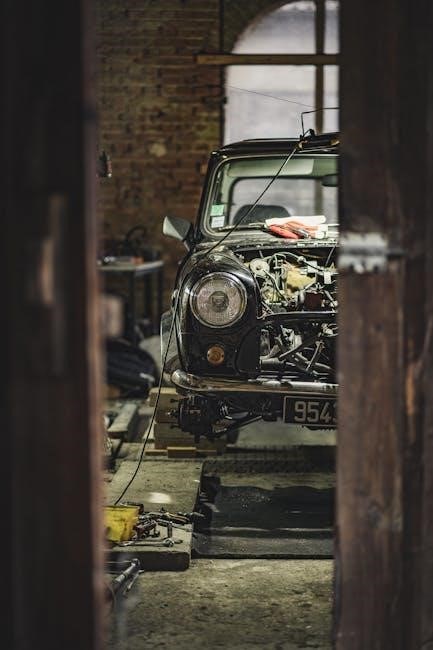
Successfully repairing a Babylock machine requires a specific set of tools․ A precision screwdriver set, including various sizes and types (Phillips, flathead), is fundamental․ Needle-nose pliers are invaluable for handling small parts and threading․ A seam ripper is essential for correcting mistakes and disassembling components․ Tweezers aid in manipulating delicate parts within the machine․
Beyond these basics, a lint brush keeps the machine clean, preventing malfunctions; A small brush and oiler are needed for lubrication․ A magnifying glass assists in inspecting tiny components․ A multimeter can be useful for electrical troubleshooting․ Consider investing in a specialized Babylock presser foot removal tool․ Always prioritize quality tools to avoid damaging your machine during repairs․ Proper tools significantly improve repair efficiency and accuracy․
Safety Precautions During Repair
Prioritizing safety is paramount when undertaking Babylock machine repair․ Always disconnect the machine from the power source before commencing any work to prevent electrical shock․ Be cautious of sharp needles and blades; handle them with care and use appropriate protective measures like gloves․ When disassembling, keep track of all parts and screws to ensure proper reassembly․
Avoid forcing any components, as this can cause damage or injury․ Lubricate moving parts carefully, avoiding contact with eyes and skin․ Dispose of used oil and cleaning solvents responsibly․ If you are unfamiliar with electrical components, seek assistance from a qualified technician․ Never operate the machine without all safety guards in place․ Following these precautions minimizes risks and ensures a safe repair process․
Resources for Advanced Babylock Repair
For complex Babylock repairs exceeding basic troubleshooting, several resources are available․ BabyLock․com provides official service manuals and technical support documentation for many models, including the BLE1 and BL9 series․ Online sewing machine forums and communities, like those dedicated to sergers, offer valuable insights and shared experiences from other enthusiasts and technicians․
Consider enrolling in specialized sewing machine repair courses offered by technical schools or authorized Babylock training centers․ These courses provide hands-on experience and in-depth knowledge of machine mechanics․ Independent repair shops specializing in Babylock machines can also offer advanced diagnostic and repair services․ Utilizing these resources ensures accurate and effective solutions for challenging repair scenarios, preserving your machine’s functionality․