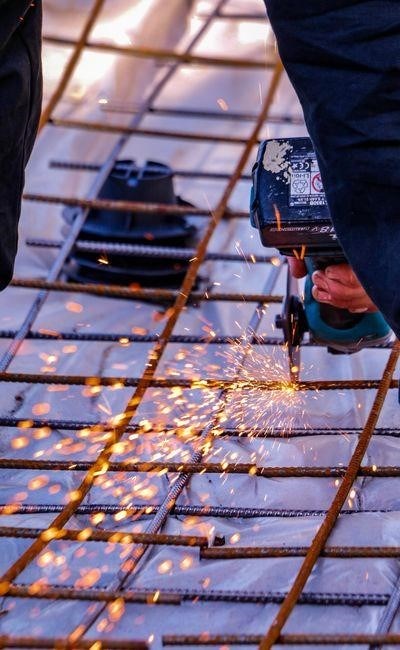
Overview of Manual Steel
Manual steel involves handcrafted manipulation of metal, emphasizing precision, skill, and tactile feedback. Artisans select appropriate alloys, heat, forge, and shape using hammers, anvils, and chisels, producing custom components that balance strength with aesthetic detail. It blends skill science.!!
1.1 Definition and Scope
Manual steel refers to the artisanal practice of shaping and finishing steel through direct human intervention, without reliance on automated machinery. It encompasses a wide spectrum of techniques—from traditional forging and blacksmithing to contemporary hand‑welding and precision machining—each demanding a deep understanding of metallurgical properties, tool geometry, and the nuanced interplay between heat, force, and material behavior. The scope of manual steel extends beyond mere fabrication; it includes the selection of alloy compositions, the control of temperature gradients, the execution of intricate joinery, and the final surface treatment that imparts both functional durability and aesthetic appeal. In this domain, the craftsman’s skill is paramount: the ability to read subtle changes in steel color, texture, and elasticity informs every strike of the hammer and every pass of the torch. Moreover, manual steel serves as a bridge between historical traditions and modern engineering requirements, allowing for the creation of bespoke components that meet specific performance criteria while preserving the tactile heritage of metalwork. The practice is integral to industries such as custom architectural detailing, high‑performance sporting goods, artistic sculpture, and specialized tooling, where the precision and individuality achievable through manual methods cannot be replicated by mass production. Ultimately, manual steel embodies a philosophy that values human ingenuity, meticulous craftsmanship, and the enduring relationship between metal and maker.
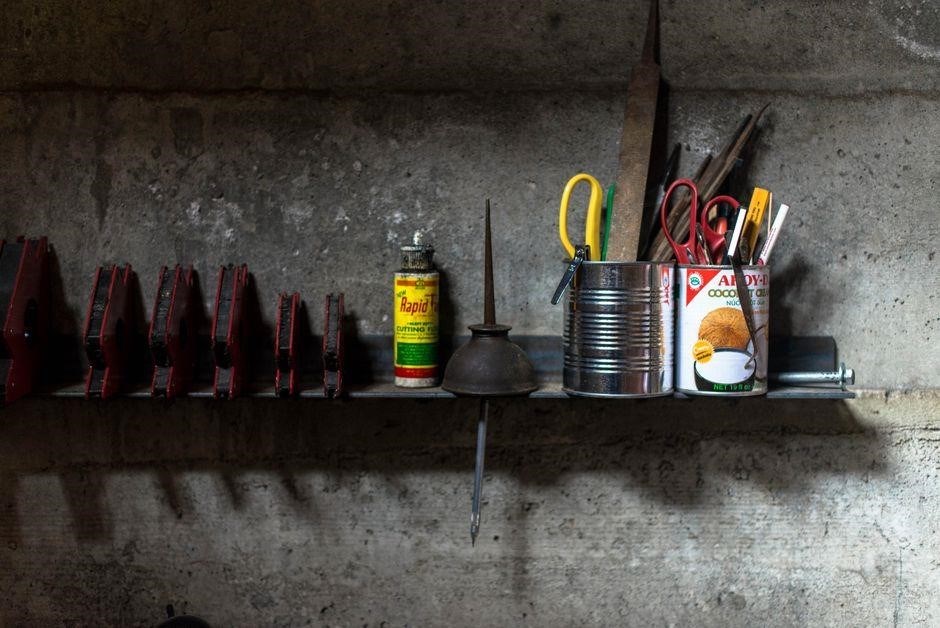
Historical Development
Manual steel evolved from ancient smelting to modern hand‑forge techniques, preserving artisanal knowledge across cultures. Its history reflects technological shifts, from bronze age to industrial era, yet the core craft remains rooted in human touch and skill. Its legacy inspires artisans worldwide!
2.1 Early Techniques
In the earliest days of metallurgy, primitive smiths learned to extract iron from ore using simple hearth furnaces fueled by charcoal. The process required repeated heating, hammering, and cooling, which gradually taught them how to control the metal’s hardness and ductility. These artisans used basic tools—a heavy hammer, a flat anvil, and a bellows to shape bars into blades, axes, and ornamental pieces. The technique of quenching, where heated metal was plunged into water or oil, became essential for hardening blades and tools. Over time, smiths refined their methods, discovering that adding small amounts of carbon or other alloying elements could dramatically alter the steel’s properties. The crucible technique, developed in ancient Mesopotamia and later refined in China, allowed for more precise melting and alloying, producing higher quality steel with fewer impurities. In medieval Europe, the forge was a communal center where master smiths taught apprentices the craft, passing down secrets of heat treatment and forging geometry. The introduction of the water‑cooled anvil in the 14th century improved the durability of forged items, while the use of the steam‑powered forge in the 19th century accelerated production. Despite industrial advances, the manual approach remained valued for custom work and artistic expression. Today, traditional blacksmithing preserves these ancient techniques, blending them with modern safety practices and new materials, ensuring that the legacy of manual steel continues to inspire artisans worldwide. Their legacy lives on in festivals, workshops, and museums, where modern craftsmen honor the torch passed down through generations, keeping the fire of manual steel alive for future creators.!!!!!!!!!!!
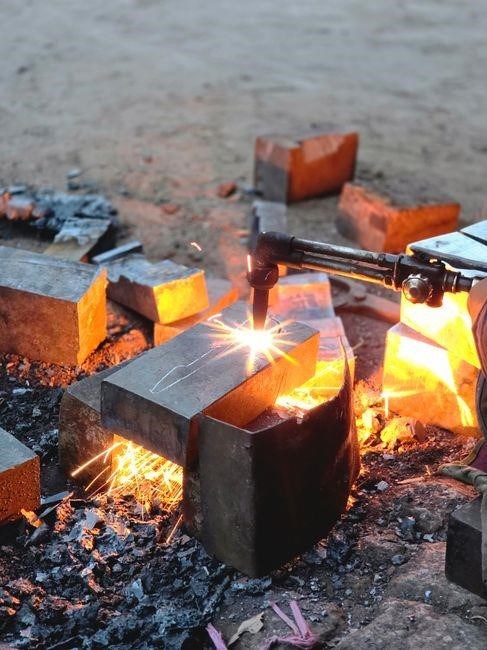
Core Processes
Core processes in manual steel revolve around heating, hammering, shaping, quenching, finishing. Artisans heat metal to red‑hot, forge it on an anvil, then cool rapidly to lock hardness, followed by grinding and polishing to reveal final form. Each step demands mastery, patience, respect for metal.!!
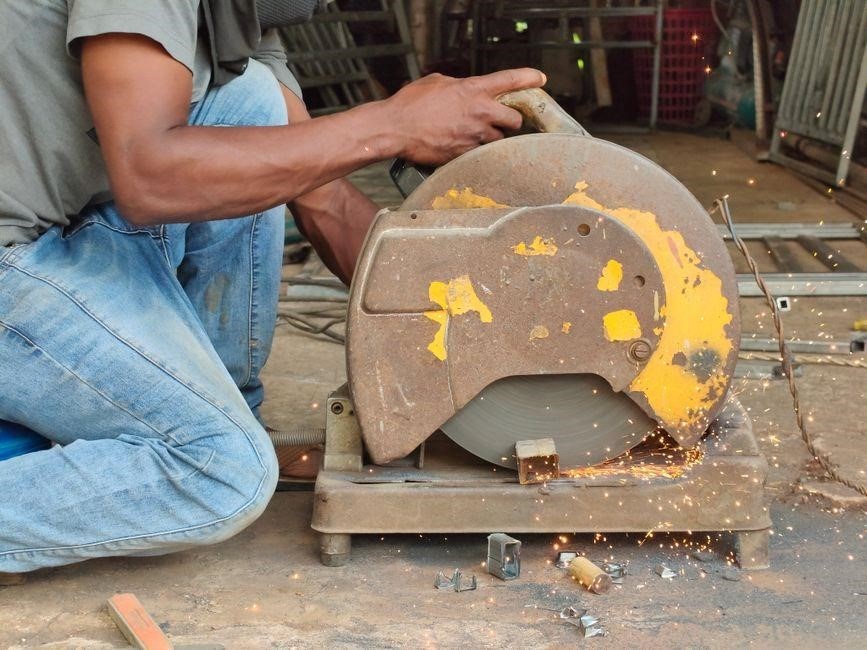
3.1 Cutting and Shaping
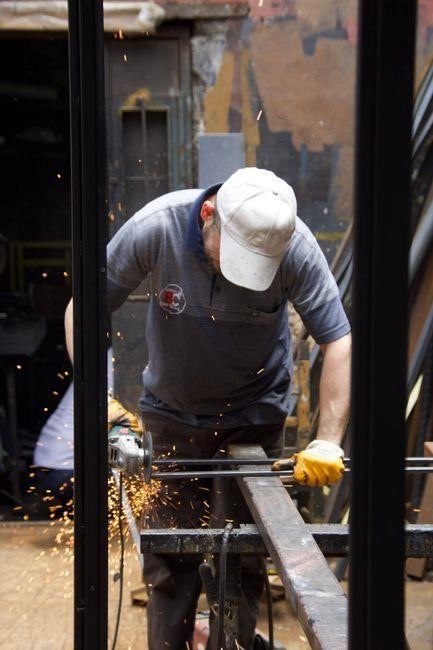
Cutting and shaping in manual steel is a meticulous craft that blends traditional techniques with modern precision. Artisans begin by selecting the appropriate steel grade, considering factors such as tensile strength, ductility, and corrosion resistance. The chosen metal is then heated in a forge or torch until it reaches a malleable temperature, typically between 1,200°F and 1,800°F for carbon steels. At this stage, the smith uses a variety of hand tools—hammers, chisels, punches, and tongs—to manipulate the heated workpiece. The hammering process not only shapes the metal but also refines the grain structure, enhancing toughness and reducing internal stresses. Following initial shaping, the smith employs cutting tools such as a file, a saw, or a specialized blade to trim excess material and refine edges. Precision is paramount; even a slight miscut can compromise the integrity of the final piece. After cutting, the metal undergoes a series of shaping steps: bending, rolling, and twisting, each performed with careful control of force and angle to achieve the desired geometry. Throughout this process, the smith constantly monitors the metal’s temperature, adjusting heat input to maintain optimal workability. Once the desired shape is achieved, the piece is cooled—either by air quenching or oil immersion—to lock in the mechanical properties. Finally, the smith performs a finishing routine: grinding to smooth surfaces, polishing to enhance appearance, and applying protective coatings to prevent oxidation. This holistic approach ensures that every cut and shape contributes to a durable, functional, and aesthetically pleasing steel component. Each forged piece carries the smith’s legacy, blending resilience art.
Essential Tools and Equipment
These tools form backbone of smith’s workshop, turning raw steel into fully art.
4.1 Hand Tools
Hand tools are the heartbeat of manual steelwork, offering artisans direct control over the metal’s form and texture. The hammer, in its many shapes—ball‑peen, cross‑peen, sledge, and claw—provides the force to shape, while the anvil offers a stable, hard surface that absorbs impact and allows precise adjustments. A set of tongs, ranging from short‑armed to long‑armed, is essential for gripping hot metal safely, preventing burns and maintaining steady positioning during forging.
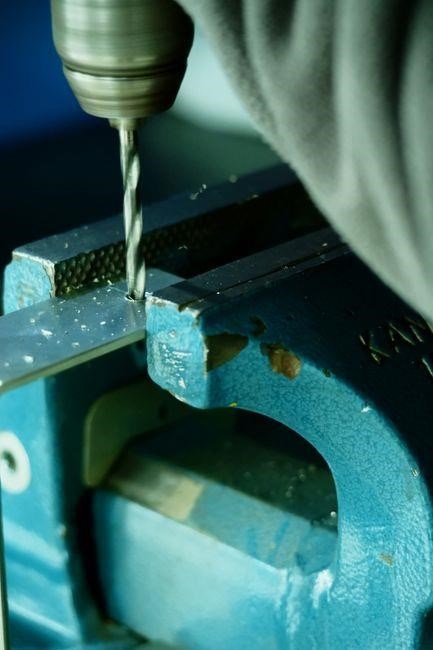
The punch and chisel pair is indispensable for creating fine details, removing burrs, and shaping edges with a high degree of accuracy; the punch drives the metal into the desired profile, and the chisel refines the contour. A file set, including flat, round, and half‑round files, smooths rough surfaces, removes slag, and prepares the metal for finishing. A straightedge or ruler ensures straight lines and accurate measurements, while a brace and bit or a rotary tool can be employed for drilling precise holes. Additionally, a set of metal clamps and a vise secure the workpiece, allowing the smith to apply force without compromising safety.
Finally, a good quality workbench with a flat, heat‑resistant surface provides a stable foundation for all operations. Proper maintenance—cleaning, oiling, and replacing worn edges—extends tool life and ensures consistent performance. By mastering these hand tools, smiths can transform raw steel into functional art, balancing strength, durability, and aesthetic appeal.
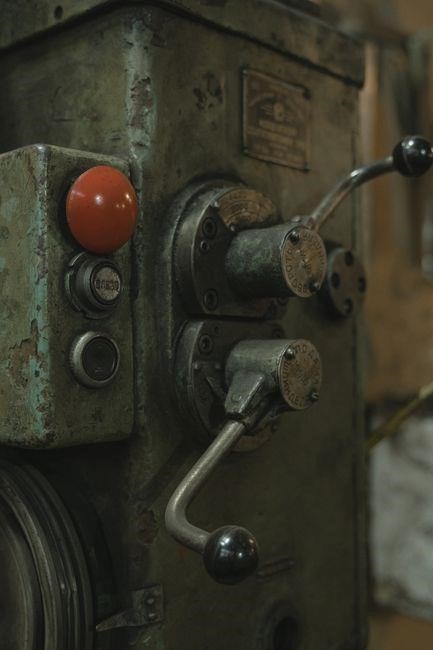
Moreover, a set of hammers with weights allows smiths to apply strike forces, tailoring deformation to the steel’s hardness. A hammer set ranging from 2‑lb to 10‑lb provides versatility for delicate shaping and heavy forging.
Quality Assurance
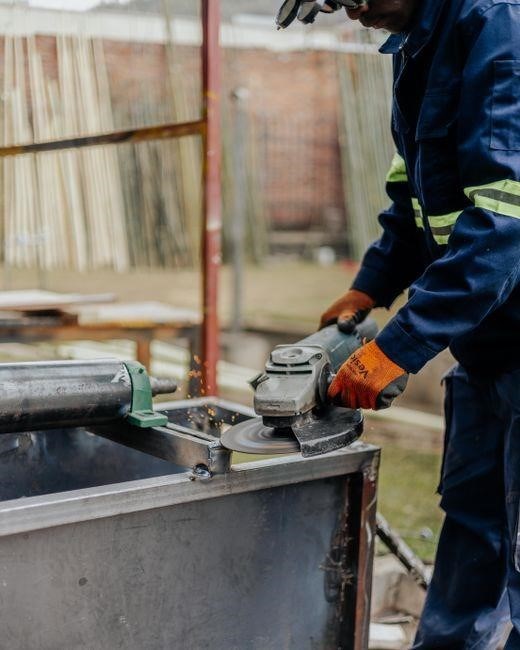
Quality assurance in manual steel relies on meticulous visual inspection, dimensional verification with calipers, and surface finish checks. Craftsmen document tolerances, record defects, and ensure each piece meets industry standards, guaranteeing reliability and customer trust. Ensuring safety, quality!!
5.1 Inspection Methods
Inspection of manually forged steel demands a blend of eye‑inspection and modern measurement tools. Craftsmen first assess visual cues—surface blemishes, color uniformity, and presence—using magnification lenses. Next, dimensional accuracy is verified with digital calipers and micrometers, ensuring tolerances meet specified limits. Surface roughness is measured via profilometers, while hardness is tested with Rockwell or Brinell scales. For critical components, testing (NDT) such as ultrasonic or magnetic particle inspection confirms internal integrity. Each step is logged in a quality control sheet, and any deviation triggers re‑work or rejection. This systematic approach guarantees that hand‑made steel parts retain structural reliability and aesthetic quality while complying with industry standards.
Visual inspection is supplemented by colorimetric analysis to detect oxidation gradients, and by infrared thermography to identify hidden heat‑flow anomalies. When a part fails a test, it undergoes a full metallographic examination: thin sections are polished, etched, and examined under a scanning electron microscope to reveal grain structure and inclusions. The data collected is entered into a digital database, enabling traceability from raw material to finished product. Regular calibration of all instruments, adherence to ISO 9001 protocols, and periodic audits by inspectors reinforce confidence in the final output.
inspections are logged in a strict audit systems Now, proceed. Check. good. Done! Ok!!
Safety Protocols
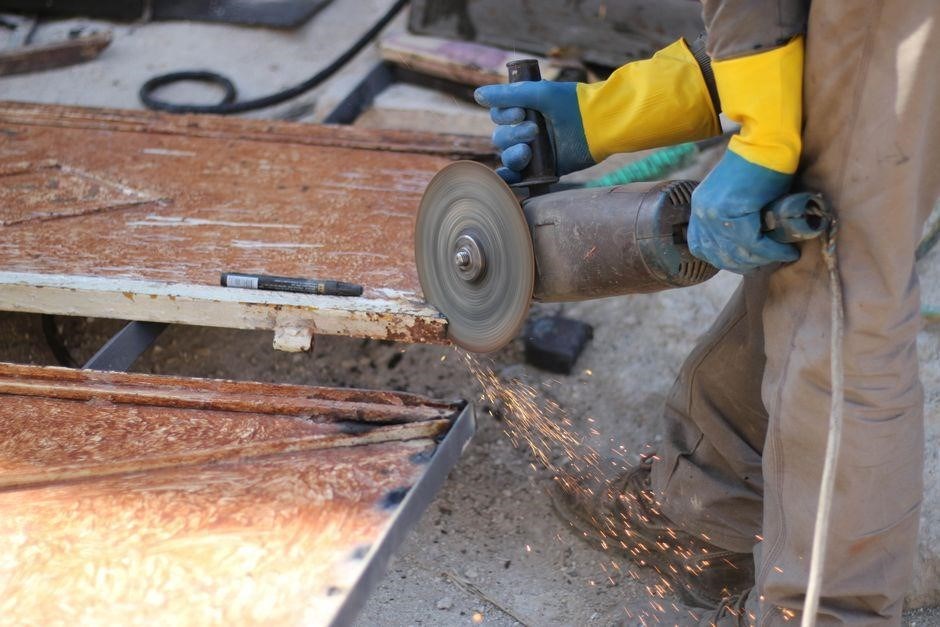
Manual steel work requires strict safety measures: use heat‑resistant gloves, face shields, and steel‑toe boots. Secure workstations, maintain proper ventilation, and keep fire extinguishers nearby. Follow lock‑out/tag‑out procedures to prevent accidental ignition. Stay safe.keep!
6.1 Protective Gear
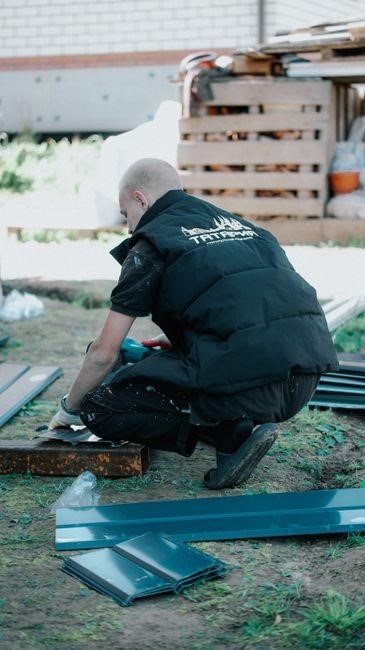
When working with manual steel, the selection of protective gear is paramount to mitigate risks associated with high temperatures, sharp edges, and repetitive strain. The core ensemble typically includes heat‑resistant gloves that provide dexterity while shielding hands from scorching metal surfaces. These gloves are often made from layers of Kevlar or Nomex, offering both thermal insulation and abrasion resistance. The shield should have a matte black or gray coating to reduce glare from hot metal surfaces. Footwear must be steel‑toe boots with non‑slip soles, ensuring stability on uneven workbenches and preventing foot injuries from falling tools or hot debris. A high‑visibility jacket or apron, preferably made from flame‑retardant materials such as fire‑resistant polyester blends, protects the torso and arms from accidental contact with molten metal or hot tools. Additionally, hearing protection is advisable when operating heavy hammers or power tools that generate high decibel levels. Wrist guards and elbow pads can reduce repetitive motion injuries, especially during prolonged forging sessions. Proper ventilation or a local exhaust system should be used to remove fumes and particulates, and a fire extinguisher rated for metal fires should be readily accessible. Regular inspection of gear for wear, cracks, or heat damage is essential; replace any compromised equipment immediately to maintain safety standards. By adhering to this comprehensive protective gear protocol, artisans can focus on precision and craftsmanship while minimizing occupational hazards inherent in manual steel work.—————————————————————————————————————————————————————————————————
Applications and Industries
Manual steel finds use in bespoke architectural railings, custom bike frames, artisanal cookware, and heritage restoration projects. Its tactile control allows designers to create unique textures, while the material’s durability ensures performance across diverse sectors.!