Understanding NHS Blood Pressure Charts
NHS Blood Pressure Charts are vital tools for monitoring cardiovascular health‚ offering a clear visual guide to understanding readings․
These charts‚ often available as a Blood Pressure Chart PDF‚ help individuals and healthcare professionals track and interpret blood pressure levels effectively․
Utilizing a daily diary‚ alongside online tools or printable formats‚ facilitates accurate recording and average calculation of readings for comprehensive health management․
What is Blood Pressure?
Blood pressure is the force exerted by your blood against the walls of your arteries․ It’s a crucial indicator of your cardiovascular health‚ and understanding it is key to preventing serious health issues․
Measured in millimeters of mercury (mmHg)‚ blood pressure consists of two numbers: systolic and diastolic․ Regular monitoring‚ often facilitated by an NHS Blood Pressure Chart PDF‚ is recommended‚ especially for those with risk factors․

Consistent tracking using a daily diary‚ whether filled online or printed‚ allows for accurate assessment․ The NHS emphasizes the importance of home monitoring‚ providing tools and resources to help individuals manage their health proactively․
Understanding your blood pressure empowers you to make informed lifestyle choices and work with your healthcare provider to maintain optimal cardiovascular well-being․ Utilizing available resources‚ like downloadable charts‚ is a significant step towards proactive health management․
Systolic and Diastolic Readings
Systolic pressure‚ the higher number‚ reflects the force when your heart beats‚ pushing blood around your body․ Diastolic pressure‚ the lower number‚ measures the force in your arteries between beats when your heart rests․
Both readings are vital when interpreting an NHS Blood Pressure Chart PDF․ A healthy reading typically falls around 120/80 mmHg‚ but optimal levels can vary based on individual health factors․
Accurate home monitoring‚ using a diary to record readings‚ is crucial for understanding your typical levels․ Online tools and printable charts‚ readily available as a Blood Pressure Chart PDF‚ aid in tracking and calculating averages․
Consistent recording allows you and your doctor to identify trends and make informed decisions about your health․ Understanding these two numbers empowers you to proactively manage your cardiovascular well-being‚ utilizing resources provided by the NHS․

NHS Blood Pressure Categories
NHS Blood Pressure Charts PDF categorize readings as normal‚ elevated‚ Stage 1 or 2 hypertension‚ and hypertensive crisis‚ guiding health management decisions․
Normal Blood Pressure Ranges
According to NHS Blood Pressure Charts PDF guidelines‚ a normal blood pressure reading falls within a specific range‚ indicating healthy cardiovascular function․ Generally‚ this is considered to be less than 120/80 mmHg (millimetres of mercury)․ The first number‚ systolic pressure‚ measures the force when your heart beats‚ while the diastolic‚ the second number‚ reflects the pressure when your heart rests between beats․
Maintaining blood pressure within this normal range is crucial for long-term health‚ reducing the risk of heart disease‚ stroke‚ and kidney problems․ Regularly monitoring your blood pressure using a home monitor and comparing readings to an NHS Blood Pressure Chart can help identify any potential issues early on․ Consistent normal readings suggest a healthy lifestyle and effective cardiovascular health management․ Remember to consult with a healthcare professional for personalized advice and interpretation of your readings‚ especially if you have any concerns․
Utilizing a Blood Pressure Chart PDF allows for easy tracking and visual representation of your readings‚ aiding in proactive health monitoring․
Elevated Blood Pressure
An NHS Blood Pressure Chart PDF identifies elevated blood pressure as readings consistently between 120-129 systolic and less than 80 diastolic mmHg․ This stage doesn’t constitute hypertension‚ but it signals a heightened risk of developing it in the future․ It’s a warning sign that lifestyle modifications are needed to prevent progression to higher‚ more dangerous levels․
Individuals with elevated blood pressure should focus on adopting heart-healthy habits‚ including a balanced diet low in sodium‚ regular physical activity‚ maintaining a healthy weight‚ and limiting alcohol consumption․ Consistent monitoring using a home blood pressure monitor and referencing an NHS Blood Pressure Chart is crucial to track progress and ensure interventions are effective․
Early intervention at this stage can significantly reduce the likelihood of developing full-blown hypertension․ Consulting with a healthcare professional is recommended to discuss personalized strategies and rule out any underlying medical conditions contributing to the elevation․
Stage 1 Hypertension
According to the NHS Blood Pressure Chart PDF‚ Stage 1 Hypertension is defined as consistently having a systolic reading between 130-139 mmHg or a diastolic reading between 80-89 mmHg․ This level requires attention and often necessitates a combination of lifestyle changes and‚ potentially‚ medication‚ as determined by a healthcare professional․
Individuals diagnosed with Stage 1 Hypertension should diligently monitor their blood pressure at home‚ utilizing a Blood Pressure Chart to track trends․ Lifestyle adjustments‚ such as dietary modifications (reducing sodium intake)‚ increased physical activity‚ and stress management techniques‚ are paramount․
Regular check-ups with a doctor are essential to assess overall cardiovascular health and determine if pharmacological intervention is necessary․ The NHS emphasizes proactive management at this stage to minimize the risk of complications and prevent progression to more severe hypertension․

Stage 2 Hypertension
The NHS Blood Pressure Chart PDF categorizes Stage 2 Hypertension as consistently recording a systolic reading of 140 mmHg or higher‚ or a diastolic reading of 90 mmHg or higher․ This level signifies a significantly increased risk of heart disease‚ stroke‚ and kidney problems‚ demanding immediate and comprehensive medical attention․
Individuals falling into this category will almost certainly require medication‚ alongside continued lifestyle modifications․ Consistent home monitoring‚ using a Blood Pressure Chart for detailed tracking‚ is crucial for evaluating treatment effectiveness․ Dietary changes‚ regular exercise‚ and stress reduction remain vital components of management․
Close collaboration with a healthcare provider is essential for personalized treatment plans and regular assessments․ The NHS stresses the importance of adhering to prescribed medications and attending all scheduled appointments to mitigate potential health risks associated with Stage 2 Hypertension․
Hypertensive Crisis
A Hypertensive Crisis‚ as detailed within the NHS Blood Pressure Chart PDF‚ represents a severe and potentially life-threatening elevation in blood pressure‚ typically a systolic reading of 180 mmHg or higher‚ or a diastolic reading of 120 mmHg or higher․ This requires immediate medical intervention․
There are two types: hypertensive urgency (no organ damage) and hypertensive emergency (organ damage occurring)․ Symptoms can include severe headache‚ chest pain‚ shortness of breath‚ and vision changes․ Prompt diagnosis and treatment are critical to prevent stroke‚ heart attack‚ or kidney failure․
The NHS emphasizes that individuals experiencing these symptoms should seek emergency medical attention without delay․ Self-treating is dangerous․ Regular monitoring using a Blood Pressure Chart can help identify trends‚ but a crisis demands immediate professional care․ Understanding these thresholds‚ as outlined in the PDF‚ is vital for recognizing and responding to this critical health situation․

Using a Blood Pressure Chart PDF
NHS Blood Pressure Chart PDFs offer convenient tracking; download‚ access‚ and interpret key indicators for monitoring‚ alongside daily recording using provided diaries․
Downloading and Accessing NHS Charts
NHS Blood Pressure Charts‚ frequently distributed as a PDF document‚ are readily accessible through the official NHS website and various reputable health resources․ Searching online for “printable blood pressure chart” will yield numerous options‚ but prioritizing NHS-approved materials ensures accuracy and reliability․
Many charts are designed for direct download‚ allowing users to save a digital copy on their computers or mobile devices․ Alternatively‚ some charts can be conveniently accessed online‚ eliminating the need for downloading․ The availability of both digital and printable versions caters to diverse user preferences․
Furthermore‚ the Blood Pressure Chart PDF often includes a corresponding diary or log for recording readings․ This integrated approach streamlines the monitoring process‚ enabling individuals to track their blood pressure consistently․ Utilizing the MS Excel diary file‚ available online‚ automatically calculates averages‚ enhancing data analysis and providing a clearer picture of cardiovascular health․
Interpreting the Chart – Key Indicators
NHS Blood Pressure Charts‚ often in PDF format‚ visually categorize readings using color-coded zones‚ simplifying interpretation․ Key indicators include Systolic and Diastolic measurements‚ representing the pressure during heart contraction and relaxation‚ respectively․
Understanding these values against the chart’s ranges – Normal‚ Elevated‚ Stage 1 & 2 Hypertension‚ and Hypertensive Crisis – is crucial․ Consistent readings within the ‘Normal’ range signify healthy cardiovascular function․ Elevated readings warrant lifestyle adjustments‚ while higher stages necessitate medical attention․
The chart also highlights the importance of consistent monitoring․ Regularly recording readings in a daily diary‚ and calculating the average‚ provides a more accurate assessment than isolated measurements․ Pay attention to trends; a sustained increase may indicate a developing issue․ Remember‚ the Blood Pressure Chart PDF is a tool for awareness‚ not self-diagnosis – always consult a healthcare professional for personalized guidance․
Recording Your Readings – Daily Diary
Maintaining a daily diary is essential when using an NHS Blood Pressure Chart PDF․ Consistent recording provides a comprehensive overview of your blood pressure trends‚ far more insightful than isolated readings․
Many PDF charts include a pre-designed diary section‚ or you can utilize dedicated MS Excel files designed for automatic average calculation․ Record the date‚ time‚ Systolic and Diastolic values‚ and any relevant notes – such as medication taken or physical activity levels․
Aim for readings at the same time each day‚ following best practices for accuracy․ A seven-day diary‚ as often recommended‚ allows for a reliable assessment․ Online tools can also assist in tracking and visualizing your data․ Regularly share your diary with your healthcare provider for informed discussions and personalized management plans․ Accurate recording empowers proactive health monitoring․
Home Blood Pressure Monitoring

Home monitoring‚ using an NHS Blood Pressure Chart PDF and diary‚ empowers individuals to track readings consistently․
Regular checks‚ recorded accurately‚ provide valuable data for healthcare professionals․
Best Practices for Accurate Readings
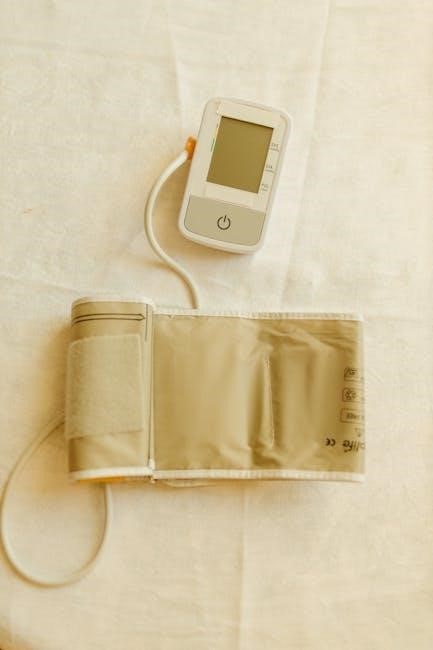
Ensuring accuracy when using an NHS Blood Pressure Chart PDF for home monitoring is paramount․ Before each reading‚ ensure you’ve been resting quietly for at least five minutes‚ avoiding caffeine‚ exercise‚ and smoking for 30 minutes beforehand․
Sit comfortably with your back supported and feet flat on the floor – do not cross your legs․ The cuff should be placed on bare skin‚ not over clothing‚ and positioned at heart level․ Follow the manufacturer’s instructions for your specific monitor․
Take multiple readings‚ spaced a minute or two apart‚ and record them diligently in your blood pressure diary․ Consistency is key; monitor at the same time each day for a reliable baseline․ Avoid talking during the measurement․ Regularly check your monitor’s calibration and consider having it validated by a healthcare professional․
Proper technique‚ combined with a reliable Blood Pressure Chart PDF‚ yields the most meaningful data for managing your health․
Calculating Average Blood Pressure
Utilizing an NHS Blood Pressure Chart PDF effectively involves calculating your average readings for a comprehensive assessment․ Simply recording individual measurements isn’t sufficient; a trend over time provides a more accurate picture․
Ideally‚ take two readings each morning and evening for seven consecutive days․ Discard the first reading of the day‚ as it can be variable․ Then‚ calculate the average of all remaining readings – this is your mean blood pressure․
Many Blood Pressure Chart PDF resources‚ or accompanying Excel diary files‚ automatically perform this calculation‚ simplifying the process․ Alternatively‚ manually add all readings and divide by the total number of measurements taken․
This average value‚ compared against NHS guidelines on the chart‚ provides a clearer indication of your cardiovascular health status․ Consistent monitoring and accurate averaging are crucial for effective management․

Resources and Further Information
NHS websites offer detailed blood pressure guidance and downloadable chart PDFs․ Explore online retailers like Amazon and John Lewis for monitoring tools․
NHS Blood Pressure Information Website
The National Health Service (NHS) provides a comprehensive online resource dedicated to blood pressure management‚ serving as a central hub for reliable information and downloadable materials․ This website is an invaluable tool for anyone seeking to understand their readings‚ manage hypertension‚ or simply learn more about cardiovascular health․
You can readily access detailed explanations of blood pressure categories‚ including normal ranges‚ elevated levels‚ and the stages of hypertension․ Crucially‚ the NHS website often hosts official NHS Blood Pressure Chart PDF documents‚ designed for both patients and healthcare professionals․ These charts are formatted for easy interpretation and can be used to track readings over time․
Furthermore‚ the website offers guidance on home blood pressure monitoring‚ outlining best practices for accurate measurements and providing resources for recording and analyzing data․ It also links to support groups and further reading materials‚ empowering individuals to take control of their health․ The availability of a downloadable chart PDF facilitates consistent monitoring and informed discussions with your doctor․
Finding Printable Blood Pressure Charts
Locating a printable NHS Blood Pressure Chart PDF is straightforward‚ offering a convenient method for tracking readings without relying solely on digital devices․ While the official NHS website is the primary source‚ several reputable health websites also host downloadable versions of these charts․
A simple online search using keywords like “printable blood pressure chart NHS” will yield numerous results․ Ensure the chart originates from a trusted source to guarantee accuracy and adherence to NHS guidelines․ Many charts are designed to be used in conjunction with a blood pressure diary‚ allowing for consistent monitoring․
Alternatively‚ some pharmacies and healthcare providers may offer printed charts directly․ Utilizing a printable PDF allows for easy recording of daily measurements‚ facilitating a clear visual representation of your blood pressure trends․ Remember to download and print a chart that includes clear categories and instructions for interpretation‚ aiding in effective self-monitoring and informed healthcare discussions․